2026 Season

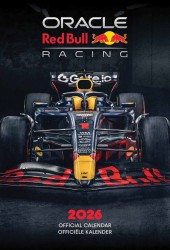
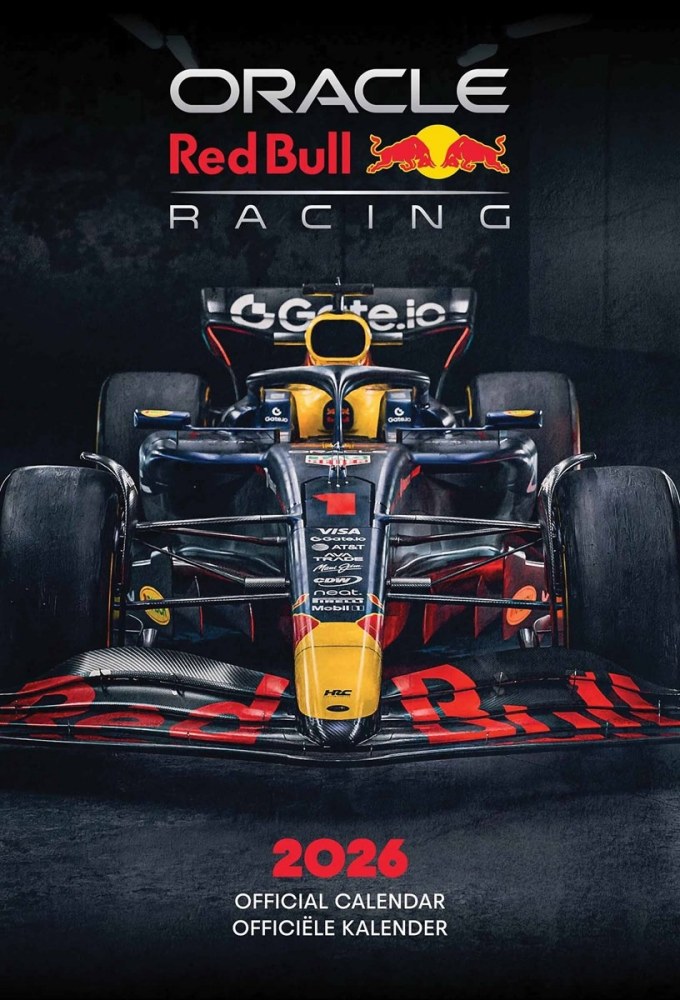
The 2026 FIA Formula One World Championship is a planned motor racing championship for Formula One cars which will be the 77th running of the Formula One World Championship. It is recognised by the Fédération Internationale de l'Automobile (FIA), the governing body of international motorsport, as the highest class of competition for open-wheel racing cars. The championship will be contested over twenty-four Grands Prix held around the world. Drivers and teams are scheduled to compete for the titles of World Drivers' Champion and World Constructors' Champion, respectively. Lando Norris is the reigning World Drivers' Champion, while McLaren-Mercedes are the reigning World Constructors' Champions.

2025 Season
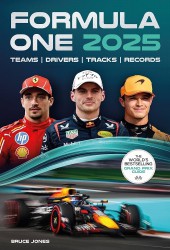
The 2025 FIA Formula One World Championship was a motor racing championship for Formula One cars and the 76th running of the Formula One World Championship. It is recognised by the Fédération Internationale de l'Automobile (FIA), the governing body of international motorsport, as the highest class of competition for open-wheel racing cars. The championship was contested over twenty-four Grands Prix held around the world. It began in March and ended in December.
2024 Season
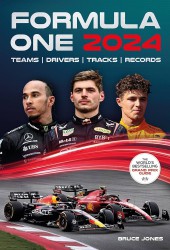
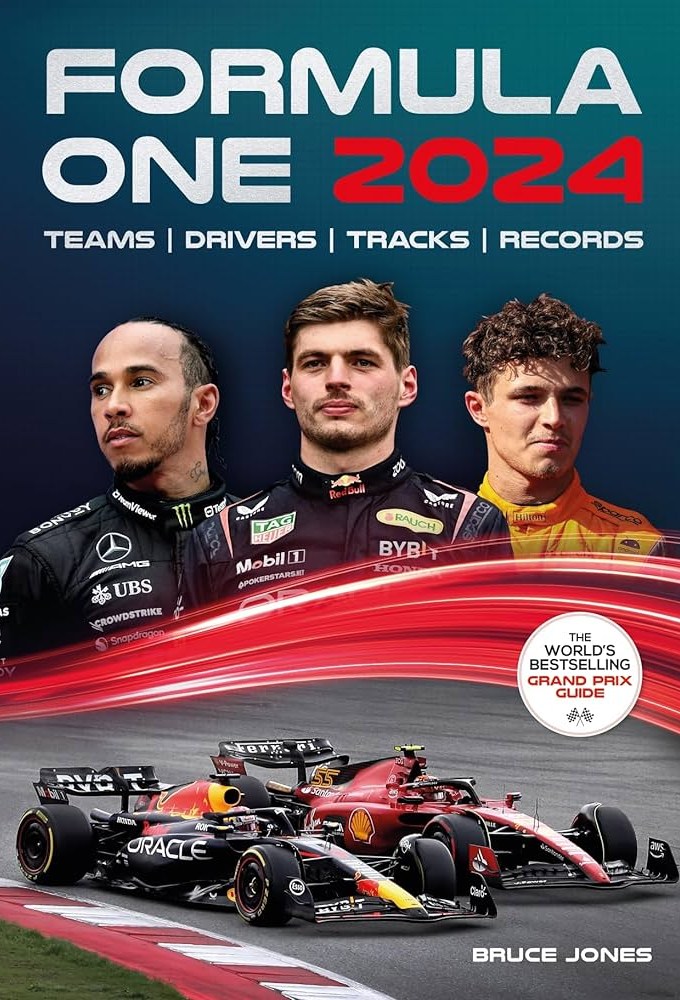
The 2024 FIA Formula One World Championship was a motor racing championship for Formula One cars and was the 75th running of the Formula One World Championship. It was recognised by the Fédération Internationale de l'Automobile (FIA), the governing body of international motorsport, as the highest class of competition for open-wheel racing cars. The championship was contested over a record twenty-four Grands Prix held around the world.
2023 Season
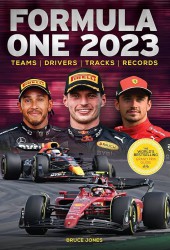
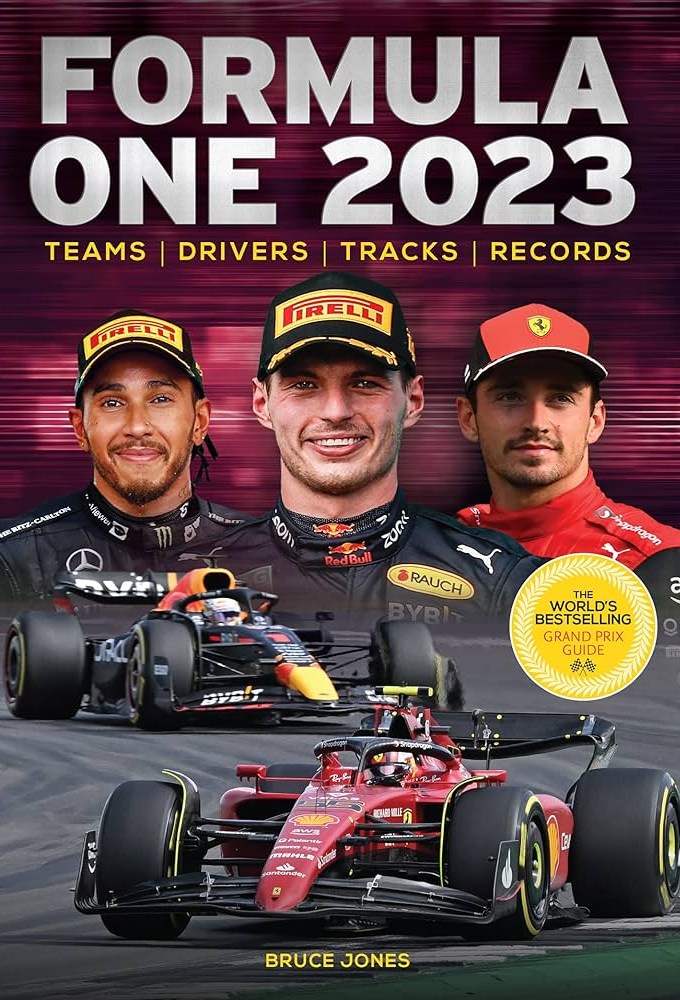
The 2023 FIA Formula One World Championship was a motor racing championship for Formula One cars and the 74th running of the Formula One World Championship. It was recognised by the Fédération Internationale de l'Automobile (FIA), the governing body of international motorsport, as the highest class of competition for open-wheel racing cars. The championship was contested over twenty-two Grands Prix, which were held around the world. It began in March and ended in November.
2022 Season
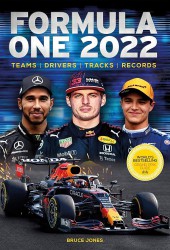
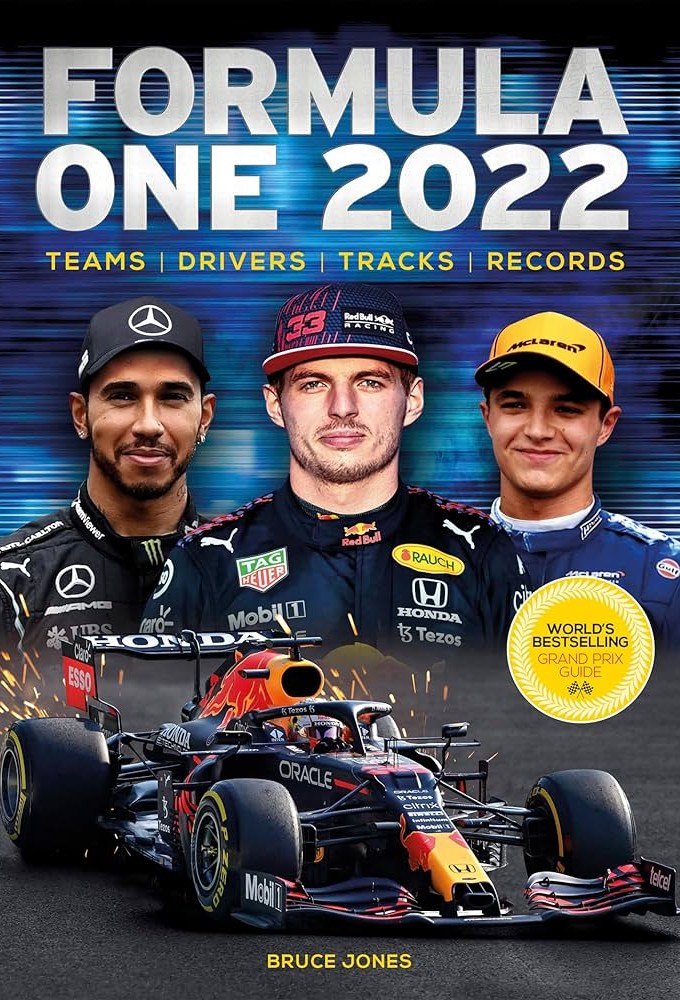
The 2022 FIA Formula One World Championship was a motor racing championship for Formula One cars, which was the 73rd running of the Formula One World Championship. It is recognised by the Fédération Internationale de l'Automobile (FIA), the governing body of international motorsport, as the highest class of competition for open-wheel racing cars. The championship was contested over twenty-two Grands Prix, which were held around the world, and ended earlier than in recent years to avoid overlapping with the FIFA World Cup.
2021 Season
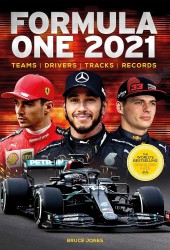
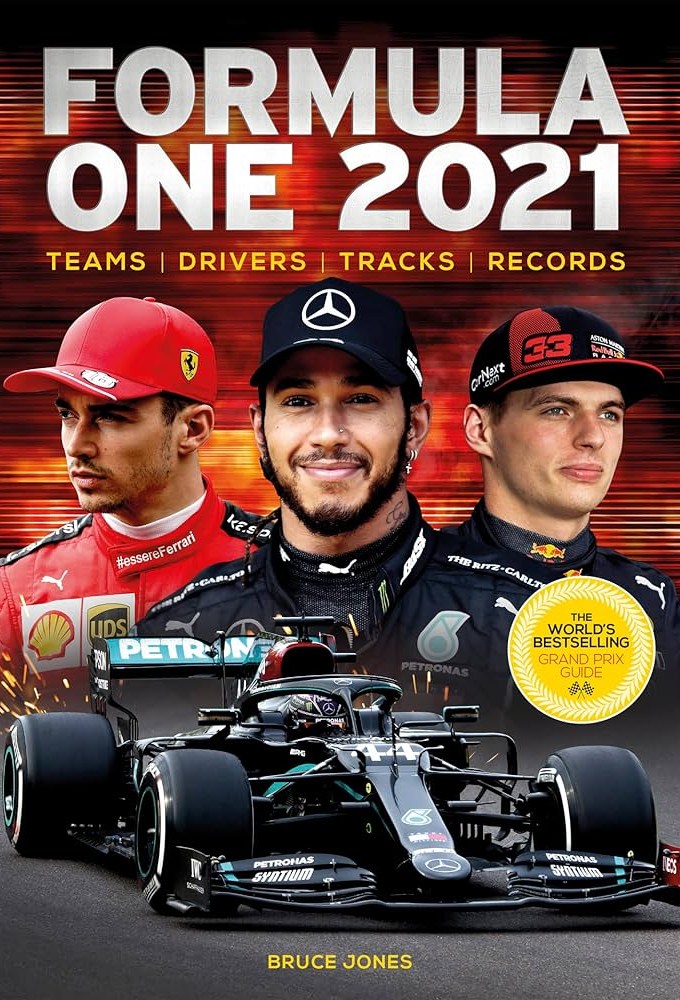
The 2021 FIA Formula One World Championship was a motor racing championship for Formula One cars which was the 72nd running of the Formula One World Championship. It is recognised by the Fédération Internationale de l'Automobile (FIA), the governing body of international motorsport, as the highest class of competition for open-wheel racing cars. The championship was contested over twenty-two Grands Prix, and held around the world. Drivers and teams competed for the titles of Formula One World Champion Driver and Formula One World Champion Constructor, respectively.
2020 Season
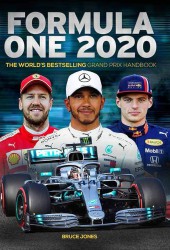
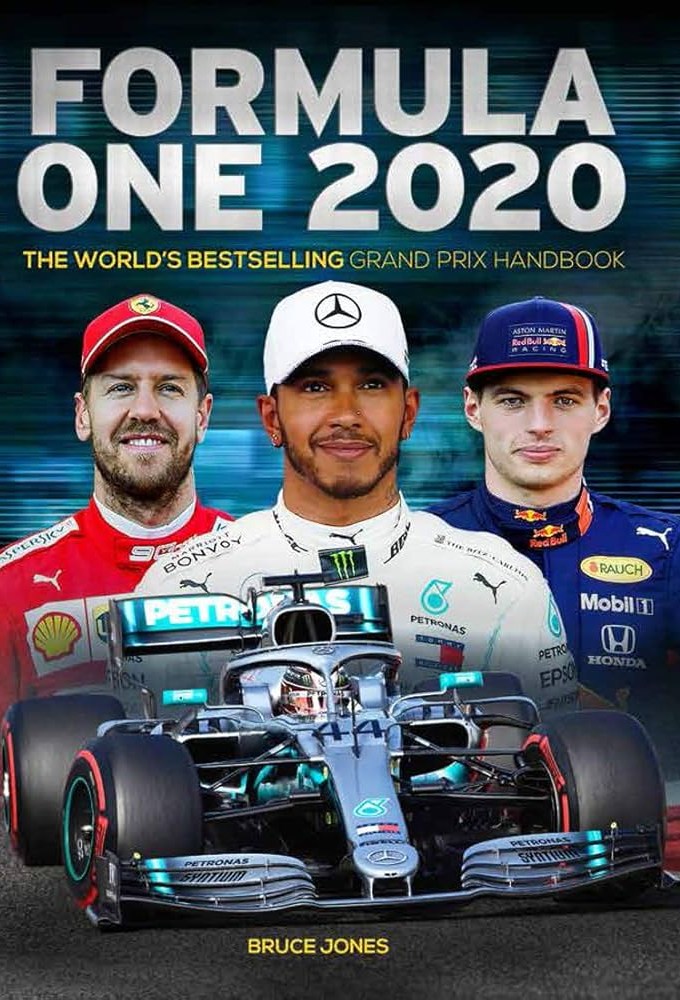
The 2020 FIA Formula One World Championship was the motor racing championship for Formula One cars which was the 71st running of the Formula One World Championship. It marked the 70th anniversary of the first Formula One World Drivers' Championship. The championship was recognised by the governing body of international motorsport, the Fédération Internationale de l'Automobile (FIA), as the highest class of competition for open-wheel racing cars. Drivers and teams competed for the titles of World Drivers' Champion and World Constructors' Champion, respectively.
2019 Season
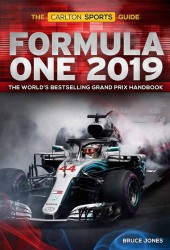
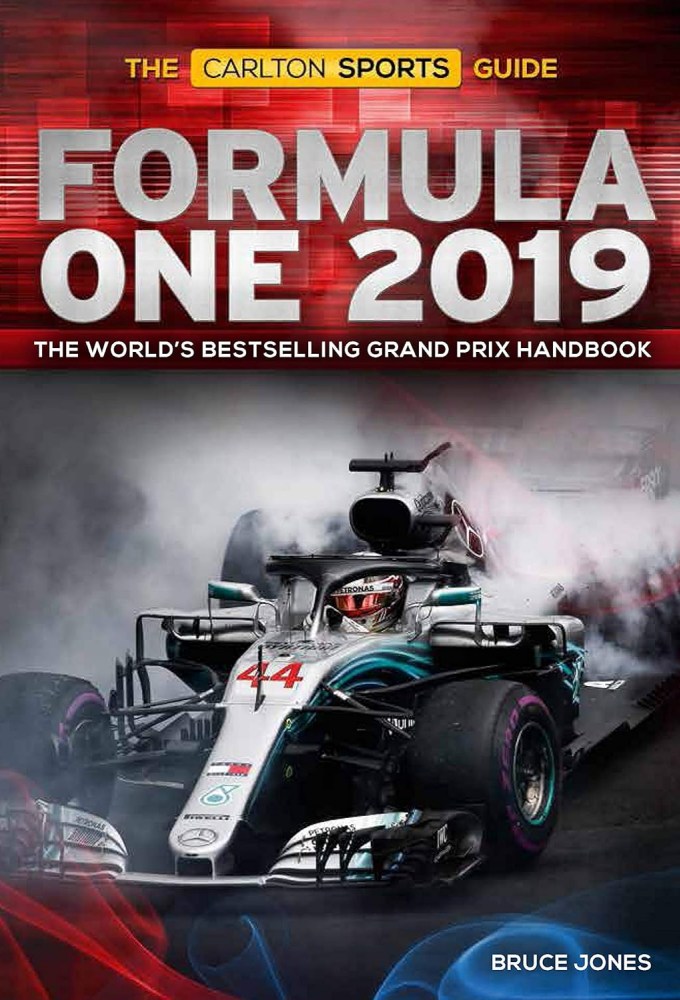
The 2019 FIA Formula One World Championship was the motor racing championship for Formula One cars which marked the 70th running of the Formula One World Championship. It is recognised by the governing body of international motorsport, the Fédération Internationale de l'Automobile (FIA), as the highest class of competition for open-wheel racing cars. Starting in March and ending in December, the championship was contested over twenty-one Grands Prix. Drivers competed for the title of World Drivers' Champion, and teams for the title of World Constructors' Champion. The 2019 championship also saw the running of the 1000th World Championship race, the 2019 Chinese Grand Prix.
2018 Season
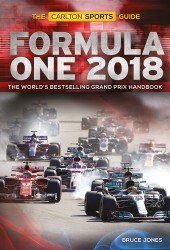
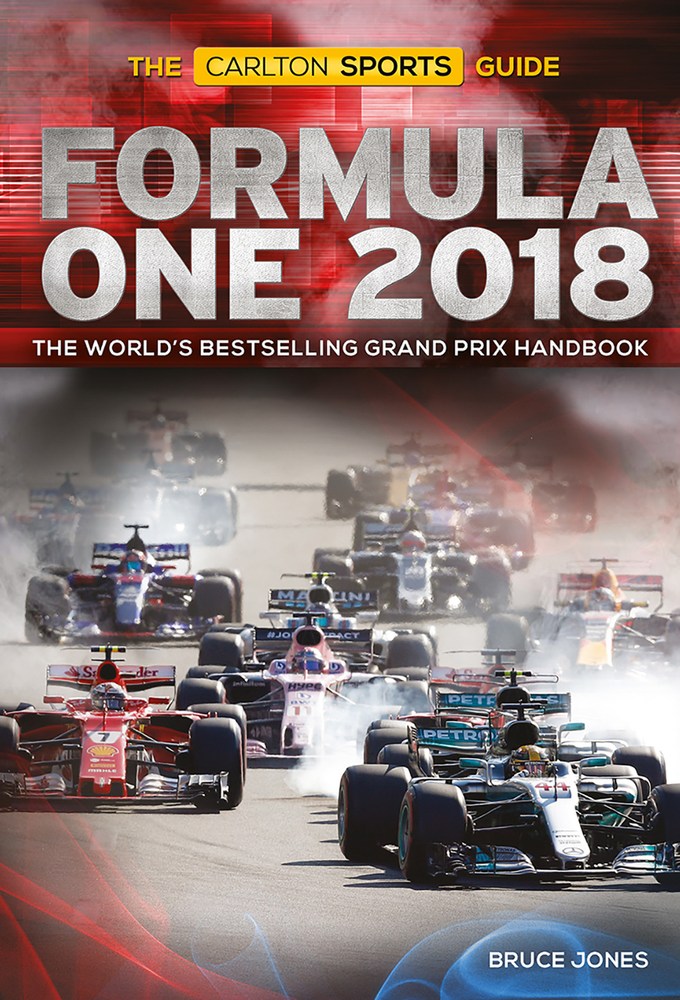
The 2018 FIA Formula One World Championship was the motor racing championship for Formula One cars and the 69th running of the Formula One World Championship. Formula One is recognised by the governing body of international motorsport, the Fédération Internationale de l'Automobile (FIA), as the highest class of competition for open-wheel racing cars. Drivers and teams competed in twenty-one Grands Prix for the World Drivers' and World Constructors' championship titles.
2017 Season
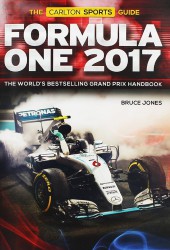
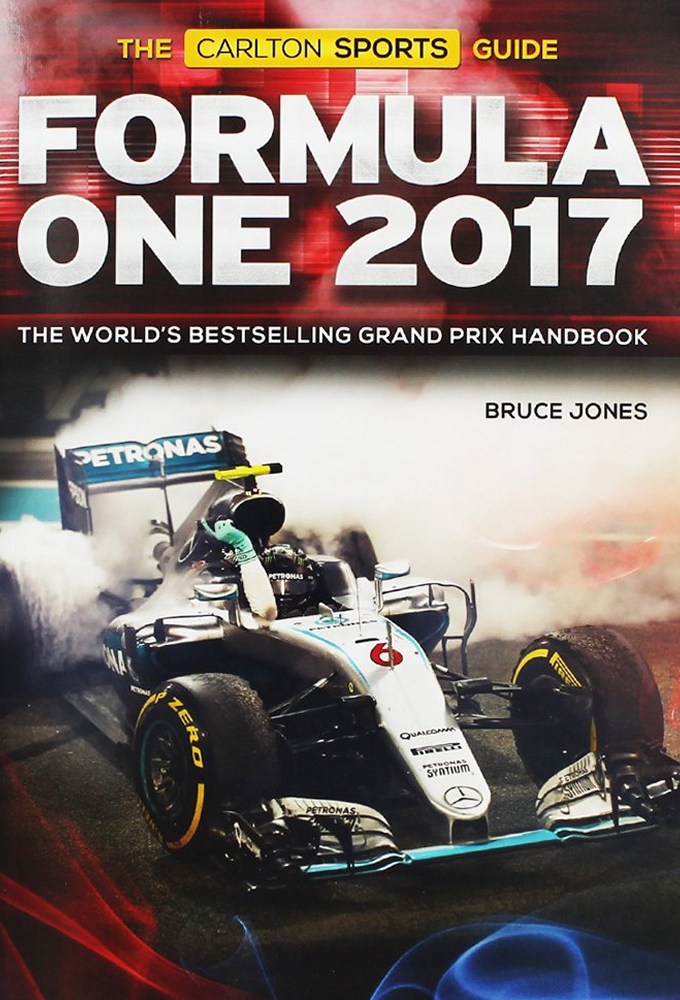
The 2017 FIA Formula One World Championship was the 71st season of Formula One motor racing. It featured the 68th Formula One World Championship, a motor racing championship for Formula One cars which is recognised by the sport's governing body, the Fédération Internationale de l'Automobile (FIA), as the highest class of competition for open-wheel racing cars. Teams and drivers competed in twenty Grands Prix—starting in Australia on 26 March and ending in Abu Dhabi on 26 November—for the World Drivers' and World Constructors' championships.
2016 Season
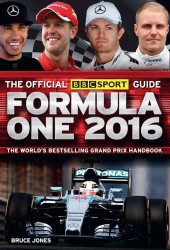
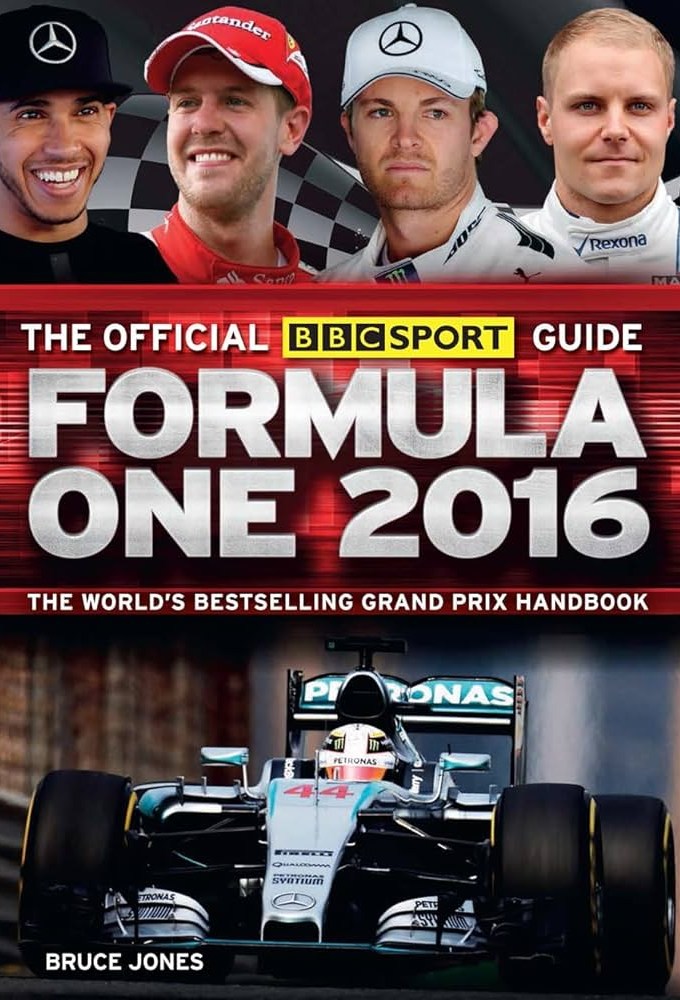
The 2016 FIA Formula One World Championship was the 70th season of the Fédération Internationale de l'Automobile (FIA)'s Formula One motor racing. It featured the 67th Formula One World Championship, a motor racing championship for Formula One cars which is recognised by the sport's governing body, the FIA, as the highest class of competition for open-wheel racing cars. Teams and drivers took part in twenty-one Grands Prix—making for the longest season in the sport's history to that point—starting in Australia on 20 March and finishing in Abu Dhabi on 27 November as they competed for the World Drivers' and World Constructors' championships.
2015 Season
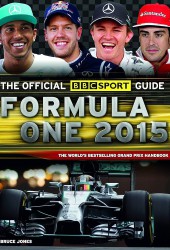
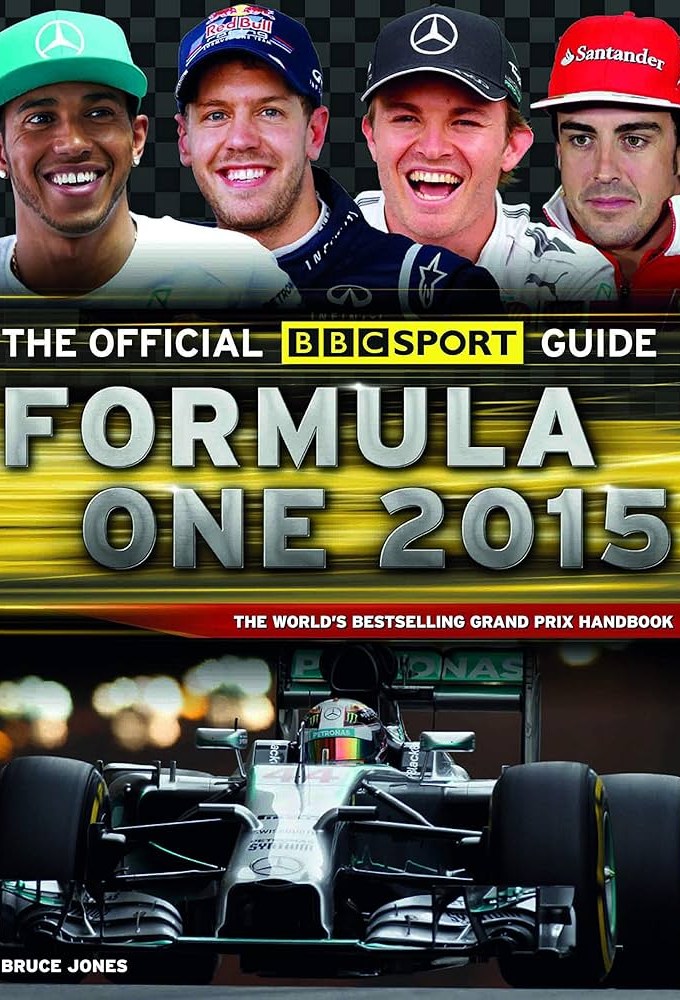
The 2015 FIA Formula One World Championship was a motor racing championship for Formula One cars. It was the 66th Formula One World Championship recognised by the sport's governing body, the Fédération Internationale de l'Automobile (FIA), as the highest class of competition for open-wheel racing cars. Twenty-two drivers representing 10 teams contested 19 Grands Prix, starting in Australia on 15 March and ending in Abu Dhabi on 29 November as they competed for the World Drivers' and World Constructors' championships.
2014 Season
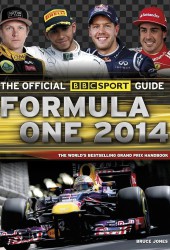
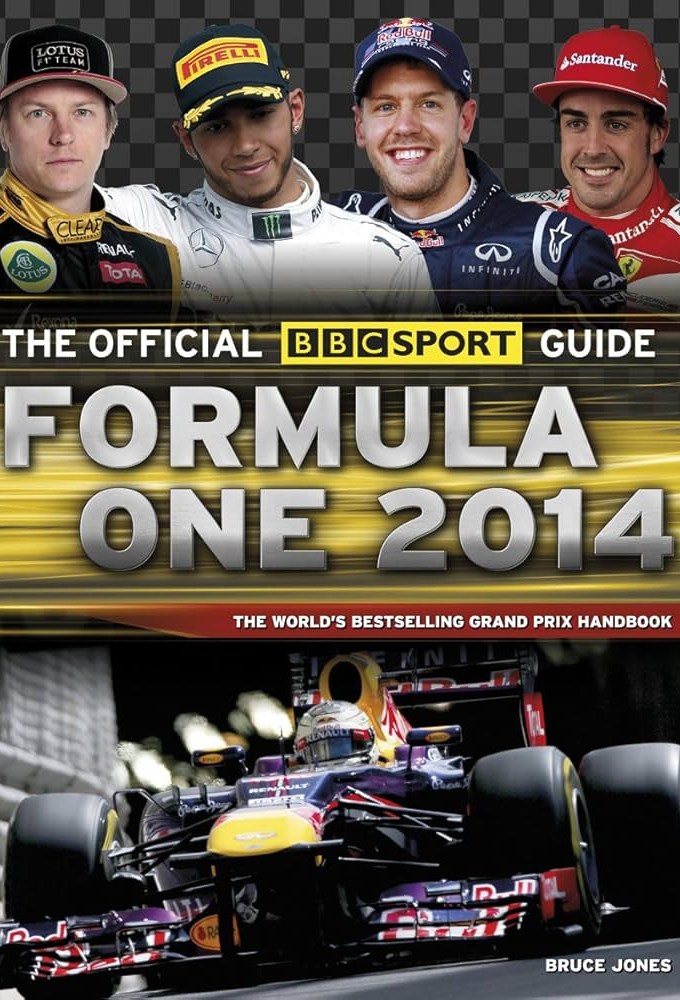
The 2014 FIA Formula One World Championship was the 68th season of FIA Formula One motor racing. It featured the 65th Formula One World Championship, a motor racing championship for Formula One cars, recognised by the sport's governing body, the Fédération Internationale de l'Automobile (FIA), as the highest class of competition for open-wheel racing cars. The season commenced in Australia on 16 March and concluded in Abu Dhabi on 23 November. In the nineteen Grands Prix of the season, a total of eleven teams and twenty-four drivers competed for the World Drivers' and World Constructors' championships. The season was the first Formula One season since 1994 to see an accident with fatal consequences as Jules Bianchi died on 17 July 2015 after spending nine months in a coma following a crash at the 2014 Japanese Grand Prix.
2013 Season
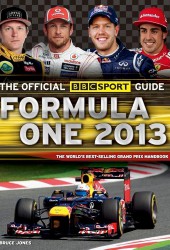
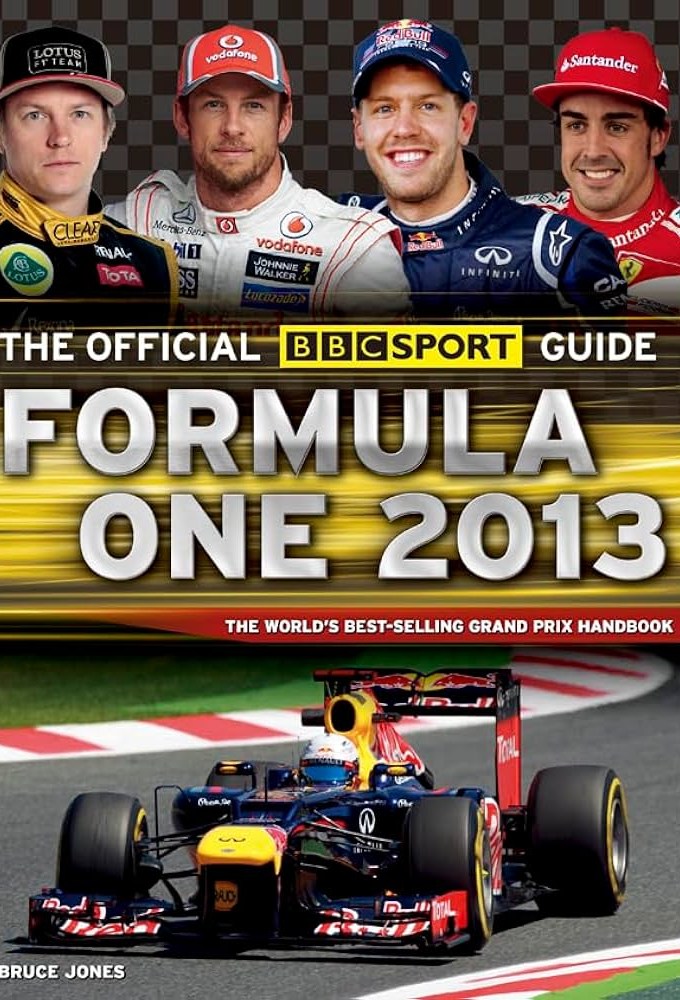
The 2013 FIA Formula One World Championship was the 67th season of FIA Formula One motor racing. It featured the 64th FIA Formula One World Championship, a motor racing series for Formula One cars, recognised by the Fédération Internationale de l'Automobile (FIA) – the governing body of motorsport – as the highest class of competition for open-wheel racing cars. Eleven teams and twenty-three drivers contested the nineteen Grands Prix that made up the calendar for the 2013 season, with the winning driver being crowned the World Drivers' Champion and the winning team the World Constructors' Champions. The season started in Australia on 17 March 2013 and ended in Brazil on 24 November 2013.
2012 Season
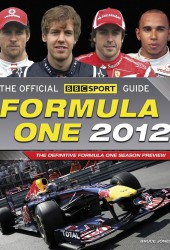
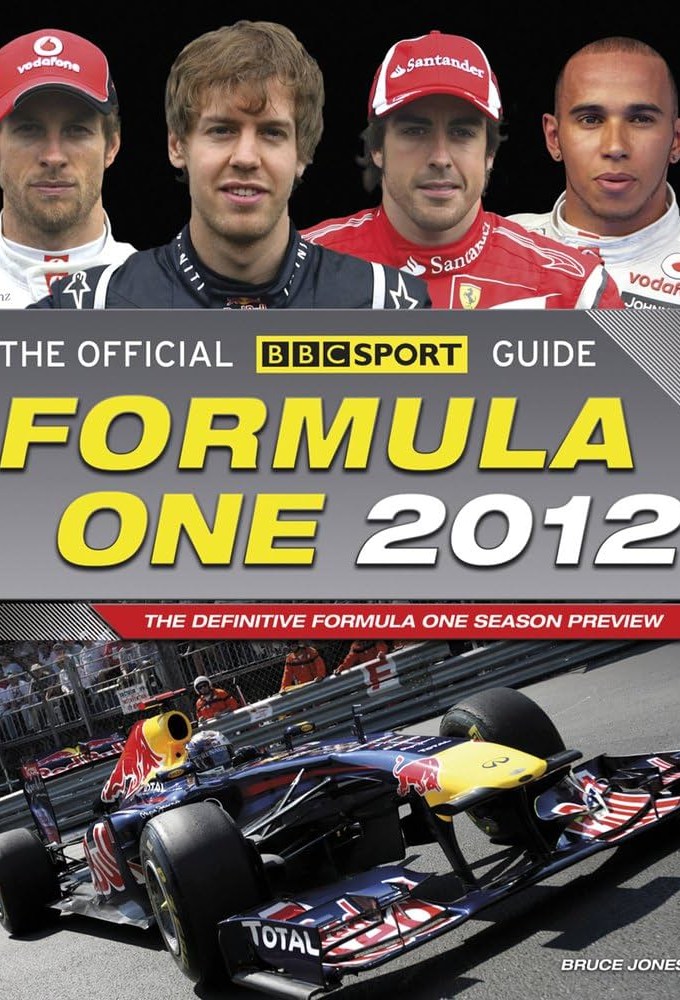
The 2012 FIA Formula One World Championship was the 66th season of FIA Formula One motor racing. It featured the 63rd FIA Formula One World Championship, a motor racing series for Formula One cars, recognised by the Fédération Internationale de l'Automobile (FIA) – the governing body of motorsport – as the highest class of competition for open-wheel racing cars. The championship was contested over twenty rounds, which started in Australia on 18 March and ended in Brazil on 25 November. The 2012 season saw the return of the United States Grand Prix, which was held at the Circuit of the Americas, a purpose-built circuit in Austin, Texas. After being cancelled in 2011 due to civil protests, the Bahrain Grand Prix also returned to the calendar.
2011 Season
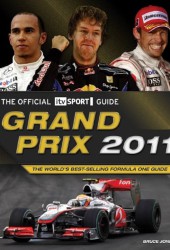
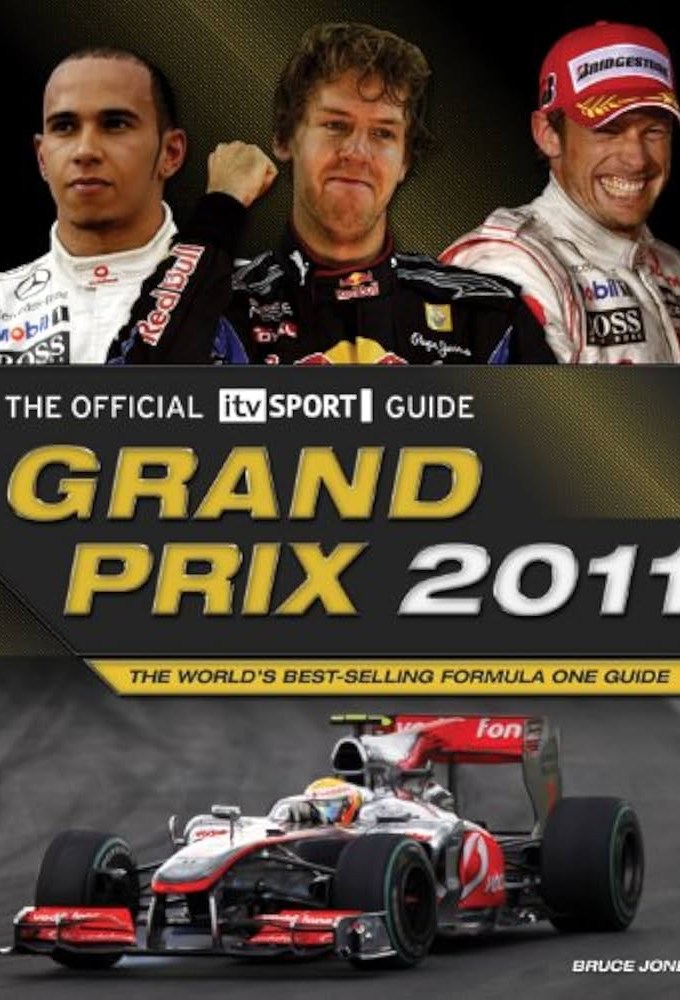
The 2011 FIA Formula One World Championship was the 65th season of FIA Formula One motor racing. The original calendar for the 2011 Formula One World Championship consisted of twenty rounds, including the inaugural running of the Indian Grand Prix before the cancellation of the Bahrain Grand Prix. Pirelli returned to the sport as tyre supplier for all teams, taking over from Bridgestone, marking their return to Formula One for the first time since the 1991 season.
2010 Season
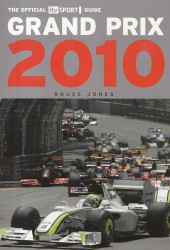
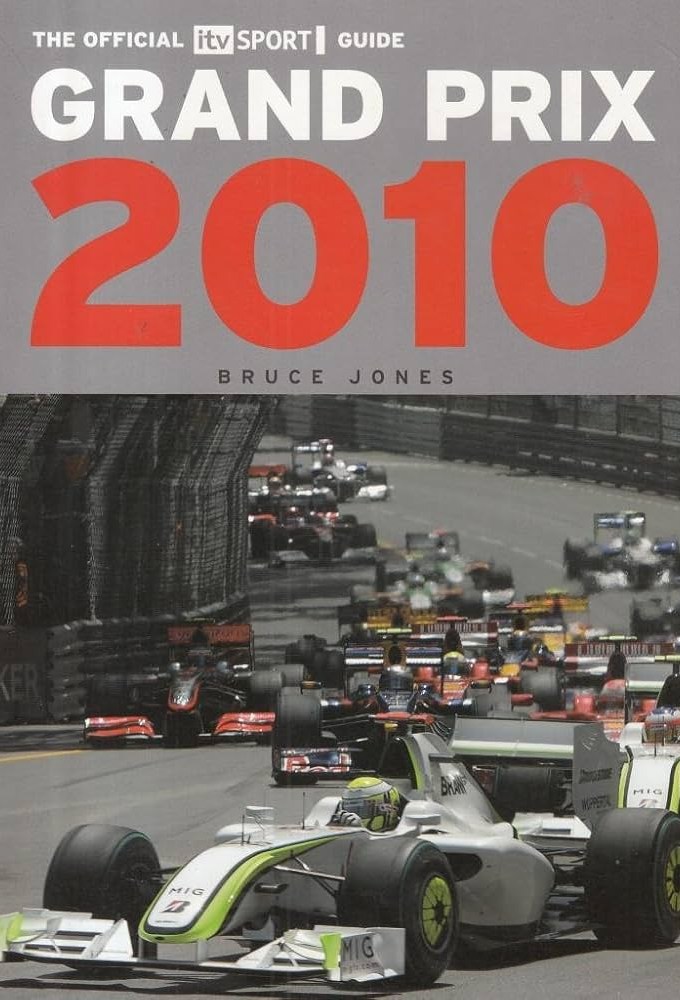
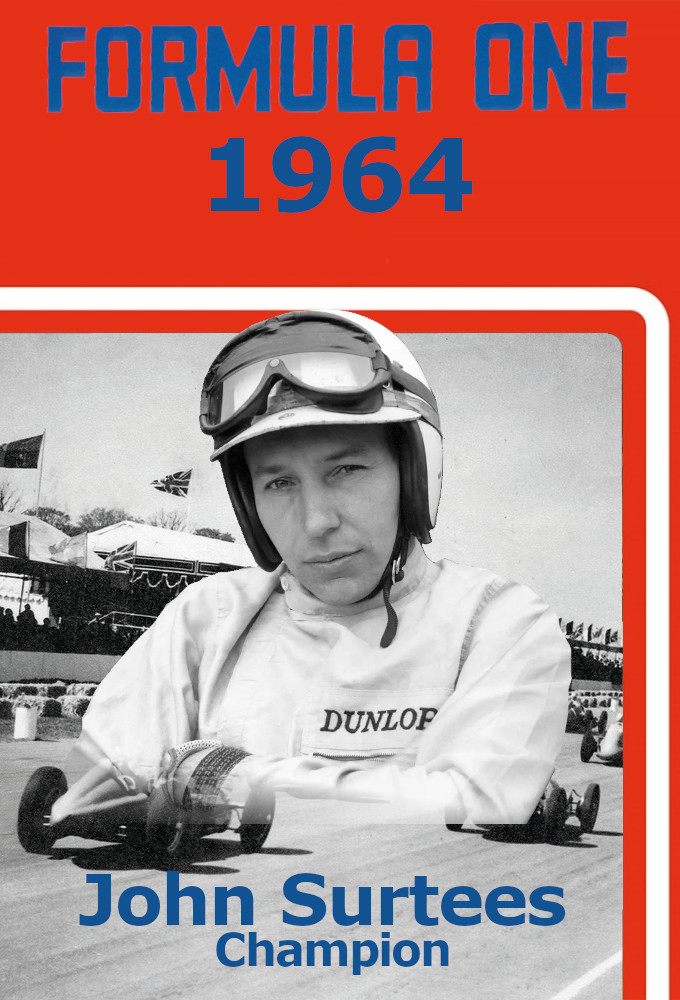
The 2010 FIA Formula One World Championship was the 64th season of FIA Formula One motor racing. The season's first race was held on 14 March in Bahrain and the season concluded on 14 November in the United Arab Emirates after 19 motor races held in 18 countries on five continents. Red Bull Racing won its maiden Constructors' Championship with a 1–2 finish in Brazil, while Red Bull Racing's Sebastian Vettel won the Drivers' Championship after winning the final race of the season in Abu Dhabi. In doing so, Vettel became the youngest World Drivers' Champion in the 61-year history of the championship. Vettel's victory in the championship came after a dramatic season finale at Abu Dhabi where three other drivers could also have won the championship – Vettel's Red Bull Racing teammate Mark Webber, Ferrari's Fernando Alonso and McLaren's Lewis Hamilton. It was also the fourth time in Formula One history after John Surtees in 1964, Alain Prost in 1986 and Kimi Räikkönen in 2007 that the championship had been won by the driver heading into the season finale as third in the standings.
2009 Season
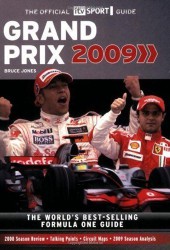
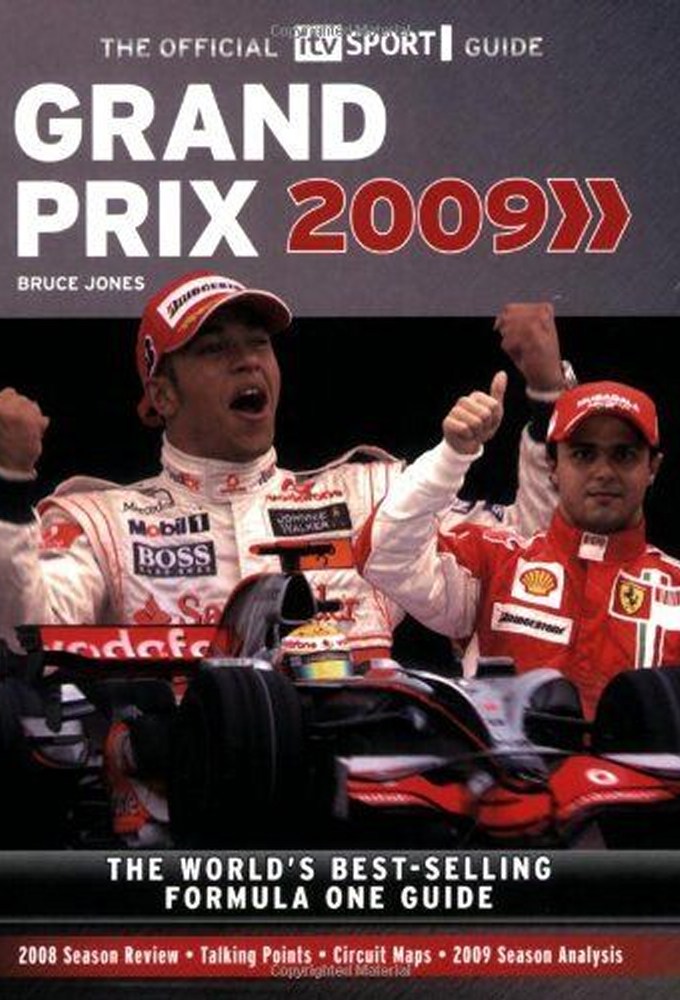
The 2009 FIA Formula One World Championship was the 63rd season of FIA Formula One motor racing. It featured the 60th Formula One World Championship which was contested over 17 events commencing with the Australian Grand Prix on 29 March and ending with the inaugural Abu Dhabi Grand Prix on 1 November.
2008 Season
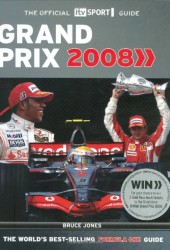
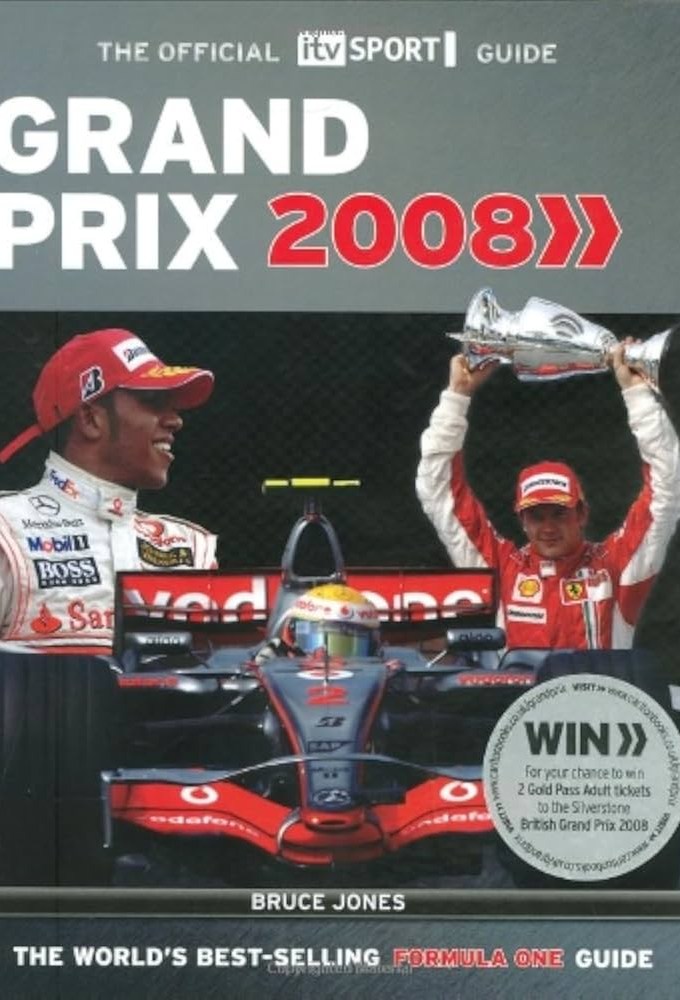
The 2008 FIA Formula One World Championship was the 62nd season of Formula One motor racing, recognised by the Fédération Internationale de l'Automobile (FIA) – the governing body of motorsport – as the highest class of competition for open-wheel racing cars. The championship was contested over eighteen races commencing in Australia on 16 March and ending in Brazil on 2 November. The 2008 season saw the debut of the Singapore Grand Prix, which was held at the Marina Bay Street Circuit, in Marina Bay, Singapore and was the first Formula One race held at night. The European Grand Prix moved to a new venue at the Valencia Street Circuit, in Valencia, Spain.
2007 Season
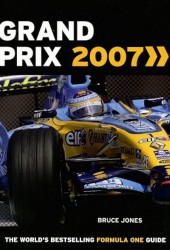
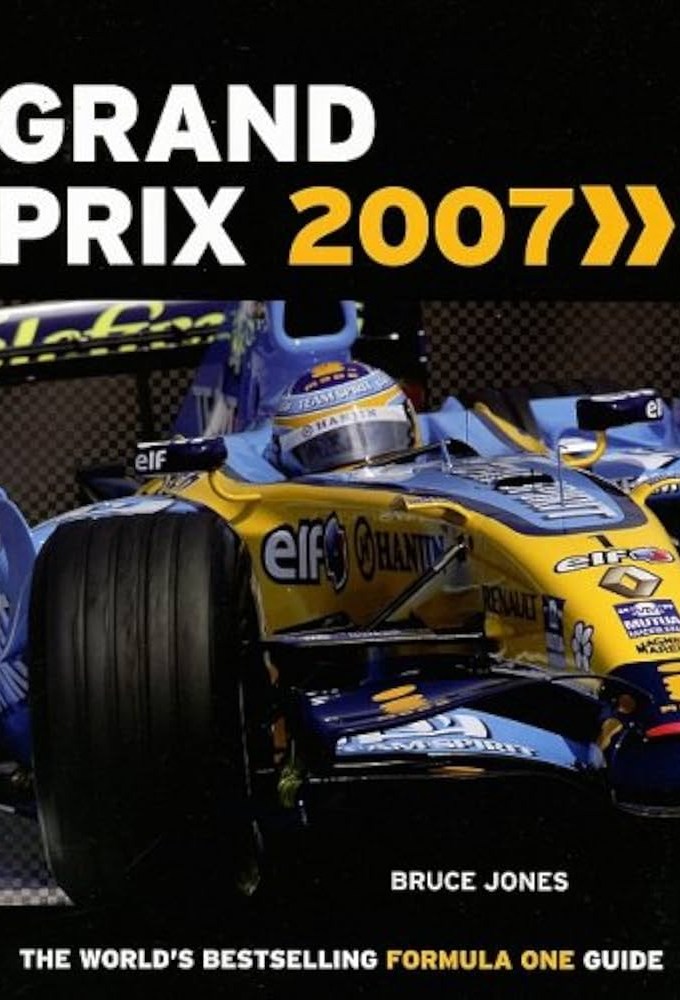
The 2007 FIA Formula One World Championship was the 61st season of FIA Formula One motor racing. It began on 18 March and ended on 21 October after seventeen events. The Drivers' Championship was won by Ferrari driver Kimi Räikkönen by one point at the final race of the season, making him the third Finnish driver to take the title. An appeal by McLaren regarding the legality of some cars in the final race could have altered the championship standings, but on 16 November, the appeal was rejected by the International Court of Appeal, confirming the championship results. Räikkönen entered the final race in third position in the drivers' standings, but emerged as champion after the chequered flag, a feat first accomplished by Giuseppe Farina in 1950.
2006 Season
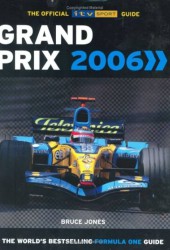
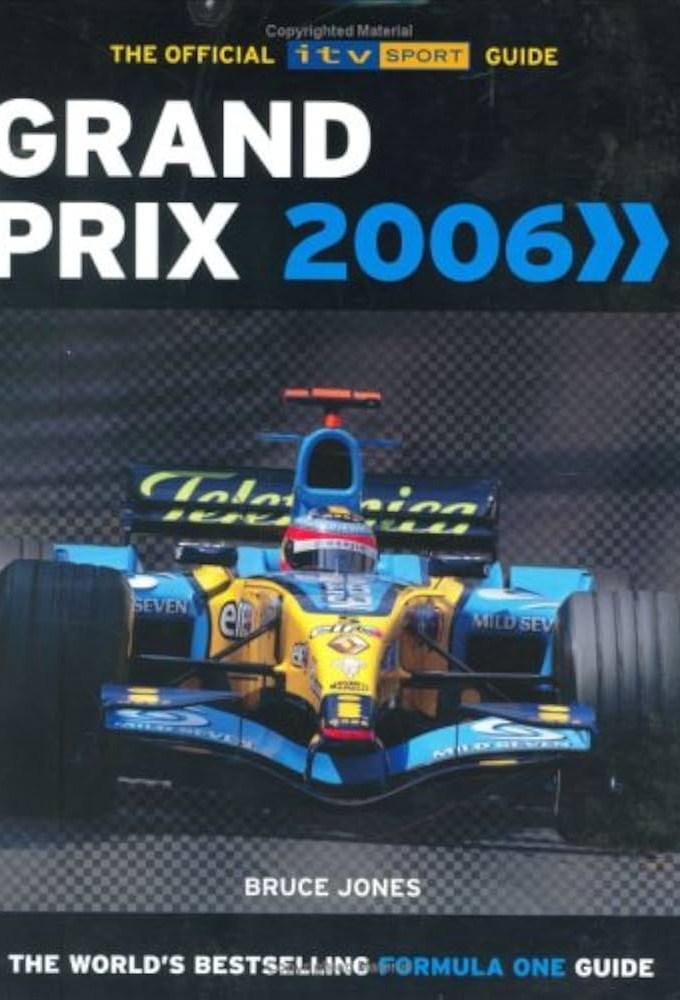
The 2006 FIA Formula One World Championship was the 60th season of Formula One motor racing. It featured the 57th Formula One World Championship which began on 12 March and ended on 22 October after eighteen races. The Drivers' Championship was won by Fernando Alonso of Renault for the second year in a row, with Alonso becoming the youngest ever double world champion at the time. Then-retiring seven-time world champion Michael Schumacher of Scuderia Ferrari finished runner-up, 13 points behind. The Constructors' Championship was won by Renault, which defeated Ferrari by five points.
2005 Season
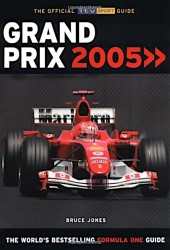
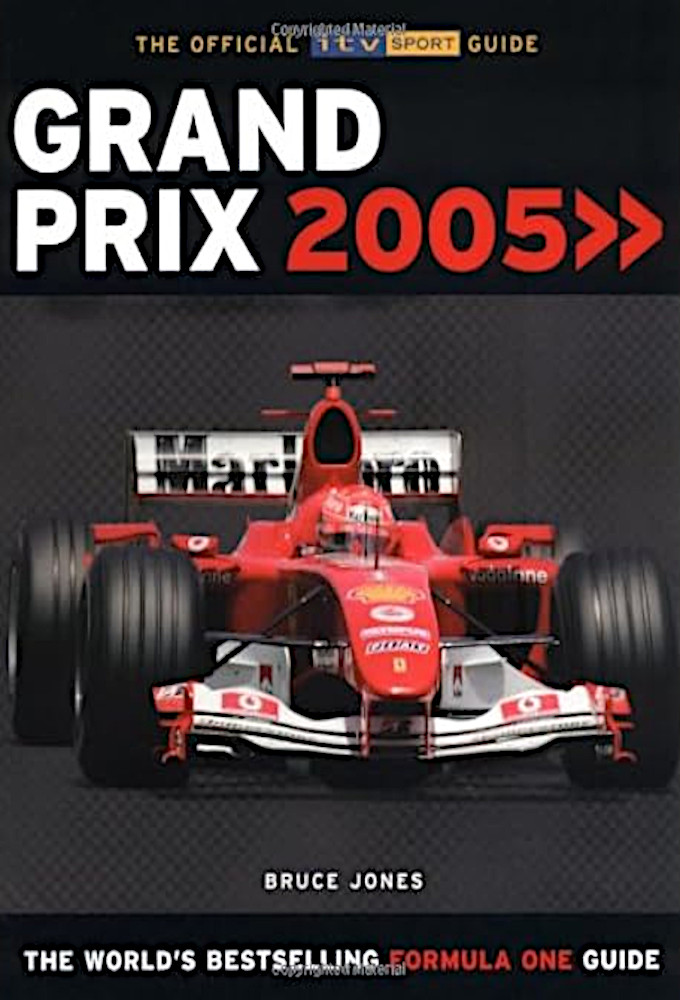
The 2005 FIA Formula One World Championship was the 59th season of FIA Formula One motor racing. It featured the 56th FIA Formula One World Championship, contested over a then-record 19 Grands Prix. It commenced on 6 March 2005 and ended 16 October.
2004 Season
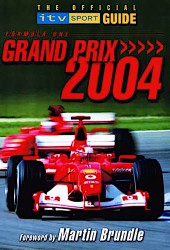
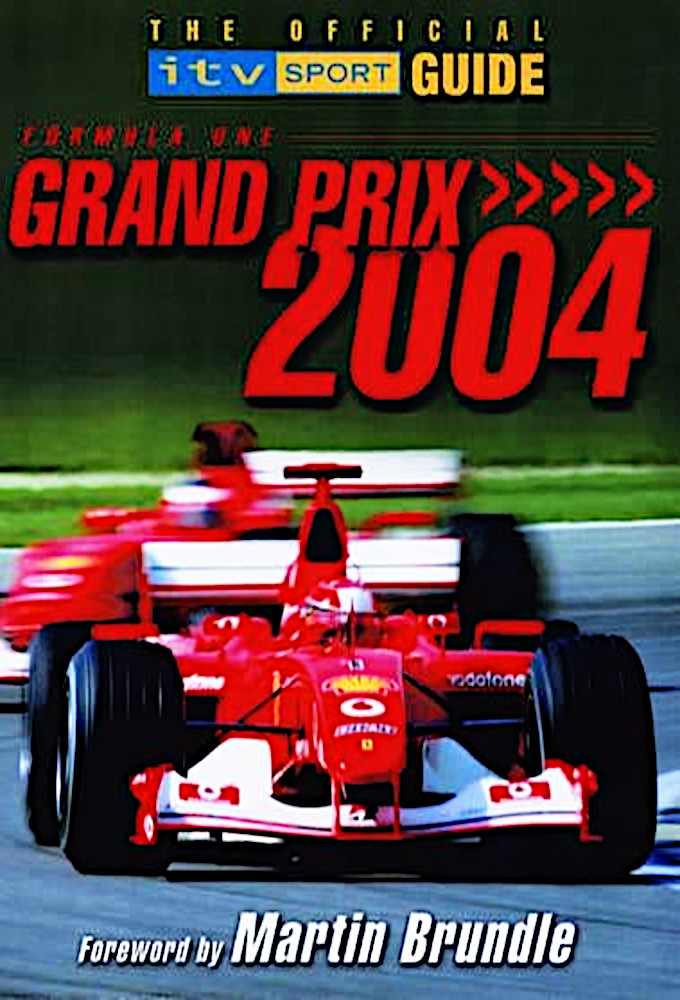
The 2004 FIA Formula One World Championship was the 58th season of FIA Formula One motor racing. It was the 55th FIA Formula One World Championship, and was contested over eighteen races from 7 March to 24 October 2004.
2003 Season
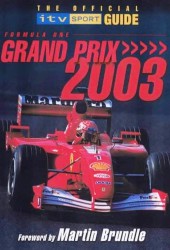
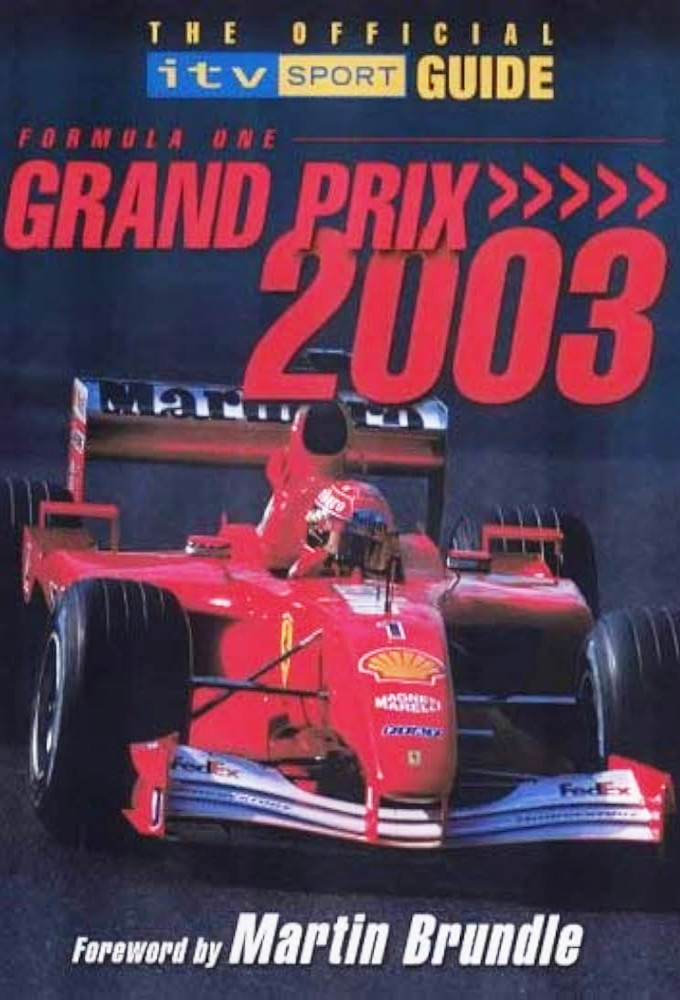
The 2003 FIA Formula One World Championship was the 57th season of FIA Formula One motor racing. It featured the 2003 Formula One World Championship for Drivers and the 2003 Formula One World Championship for Constructors, which were contested concurrently over a sixteen-race series that commenced on 9 March and ended on 12 October.
2002 Season
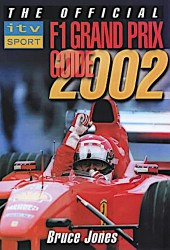
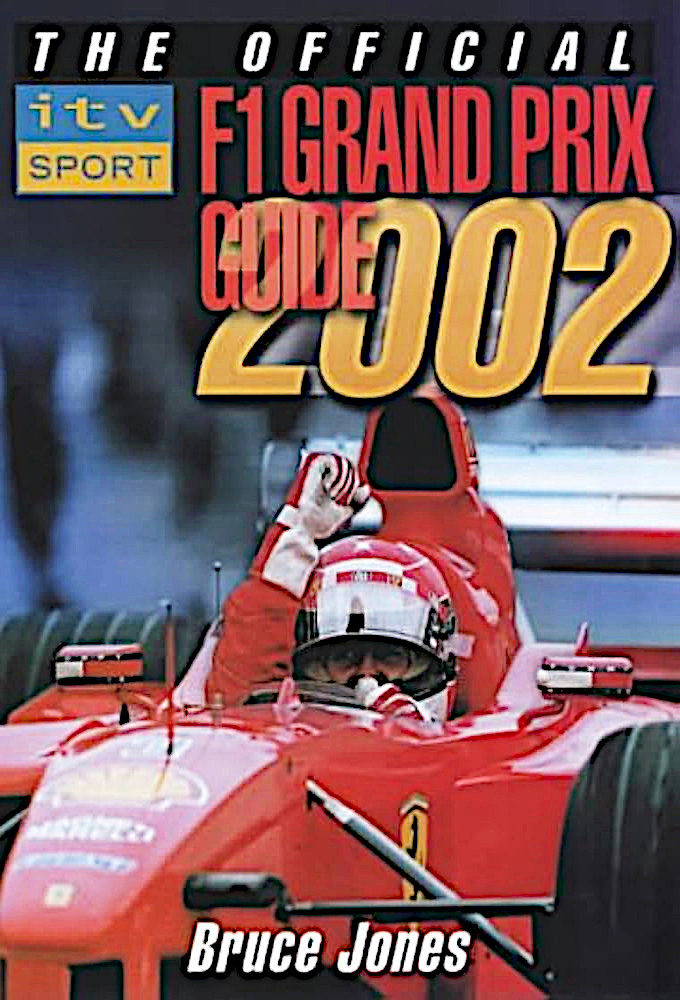
The 2002 FIA Formula One World Championship was the 56th season of FIA Formula One motor racing. It featured the 2002 Formula One World Championship for Drivers and the 2002 Formula One World Championship for Constructors, which were contested concurrently over a seventeen-race series that commenced on 3 March and ended on 13 October.
2001 Season
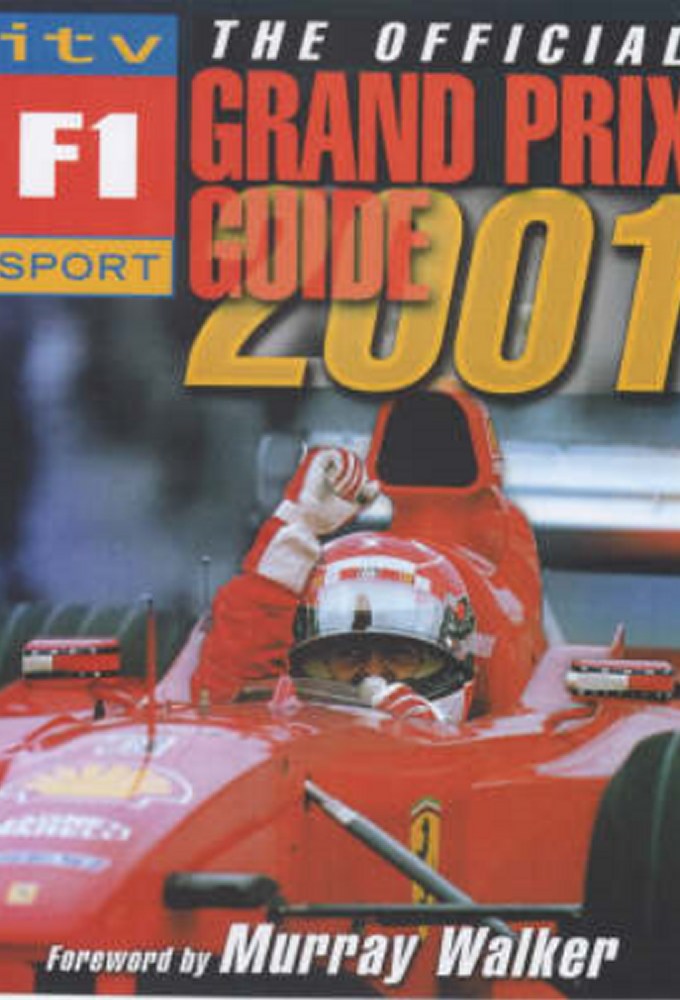
The 2001 FIA Formula One World Championship was the 55th season of FIA Formula One motor racing. It featured the 2001 Formula One World Championship for Drivers and the 2001 Formula One World Championship for Constructors, which were contested concurrently over a seventeen-race series that commenced on 4 March and ended on 14 October.
2000 Season
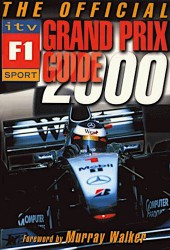
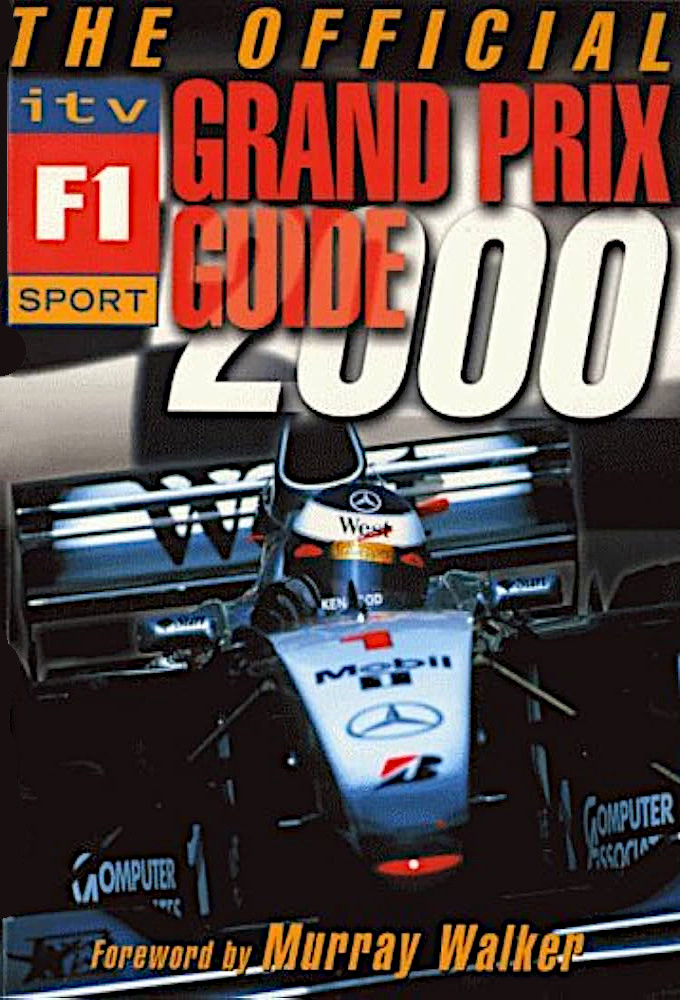
The 2000 FIA Formula One World Championship was the 54th season of FIA Formula One motor racing. It commenced on 12 March and ended on 22 October after seventeen races. Michael Schumacher became Ferrari's first World Drivers' Champion in 21 years, having clinched the Drivers' title at the penultimate race of the season. Ferrari successfully defended its Constructors' title. This season marked the first for future world champion Jenson Button.
1999 Season
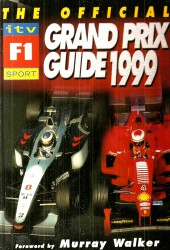
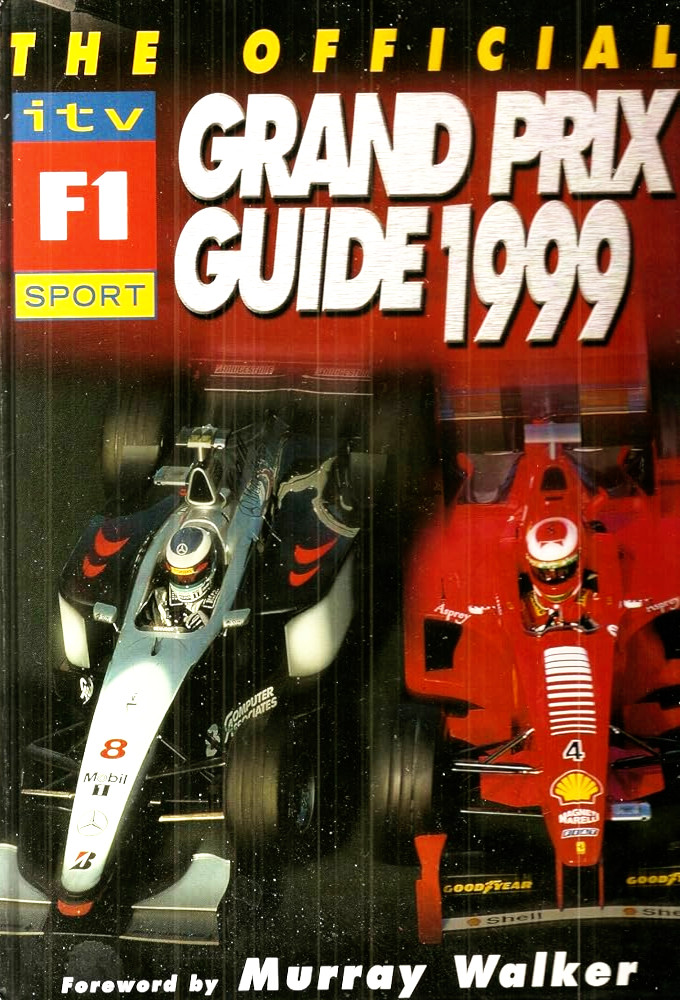
The 1999 FIA Formula One World Championship was the 53rd season of FIA Formula One motor racing. It featured the 1999 Formula One World Championship for Drivers and the 1999 Formula One World Championship for Constructors, which were contested concurrently over a sixteen-race series that commenced on 7 March and ended on 31 October.
1998 Season
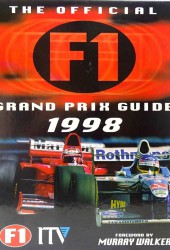
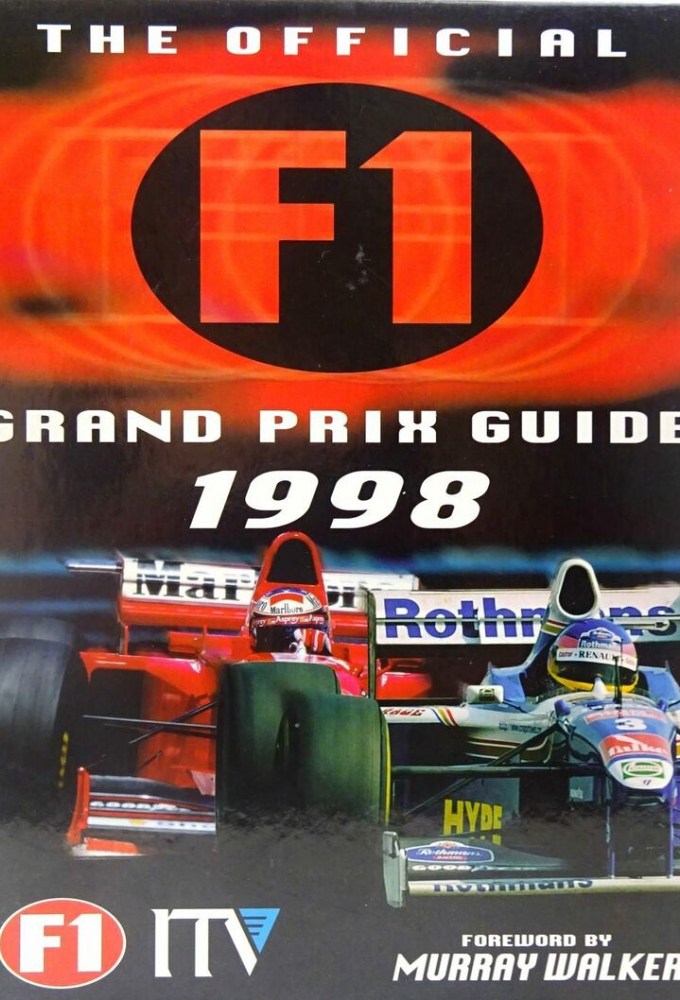
The 1998 FIA Formula One World Championship was the 52nd season of FIA Formula One motor racing. It featured the 1998 Formula One World Championship for Drivers and the 1998 Formula One World Championship for Constructors, which were contested concurrently over a sixteen-race series that commenced on 8 March and ended on 1 November.
1997 Season
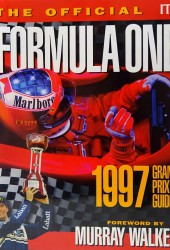
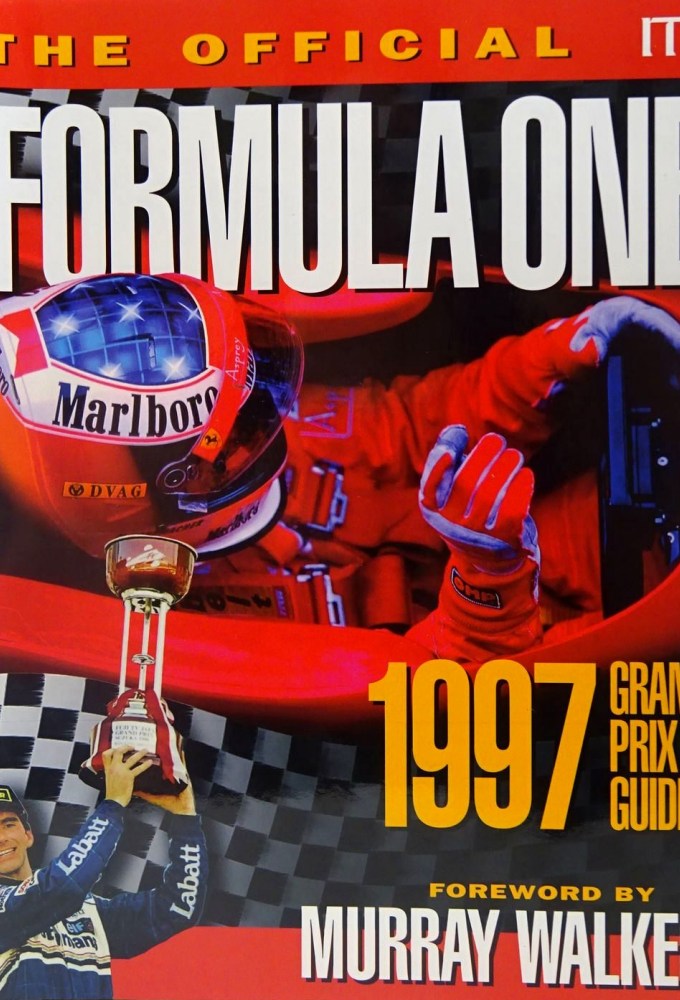
The 1997 FIA Formula One World Championship was the 51st season of FIA Formula One motor racing. It featured the 1997 Formula One World Championship for Drivers and the 1997 Formula One World Championship for Constructors, which were contested concurrently over a seventeen-race series that commenced on 9 March and ended on 26 October.
1996 Season
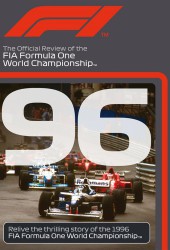
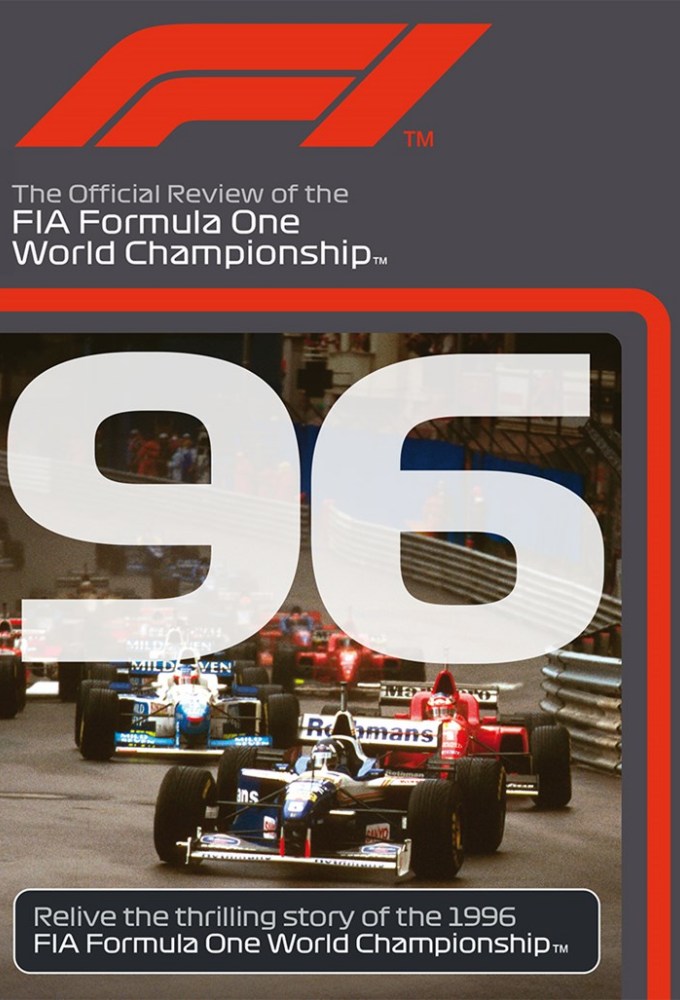
The 1996 FIA Formula One World Championship was the 50th season of FIA Formula One motor racing. The championship commenced on 10 March and ended on 13 October after sixteen races. Two World Championship titles were awarded, one for Drivers and one for Constructors.
1995 Season
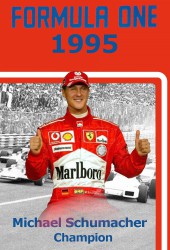
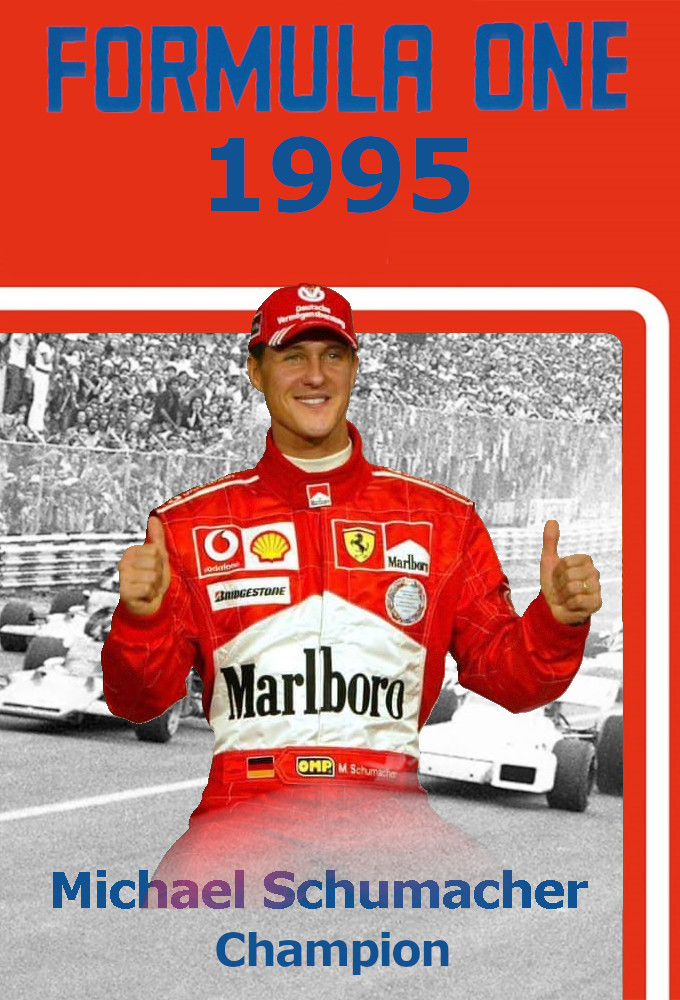
The 1995 FIA Formula One World Championship was the 49th season of FIA Formula One motor racing. It featured the 1995 Formula One World Championship for Drivers and the 1995 Formula One World Championship for Constructors, which were contested concurrently over a seventeen-race series that commenced on 26 March and ended on 12 November.
1994 Season
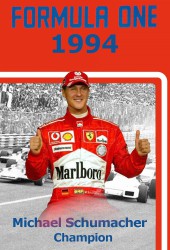
The 1994 FIA Formula One World Championship was the 48th season of FIA Formula One motor racing. It featured the 1994 Formula One World Championship for Drivers and the 1994 Formula One World Championship for Constructors, which were contested concurrently over a sixteen-race series that commenced on 27 March and ended on 13 November.
1993 Season
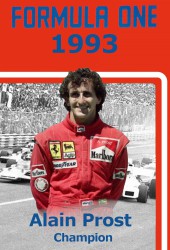
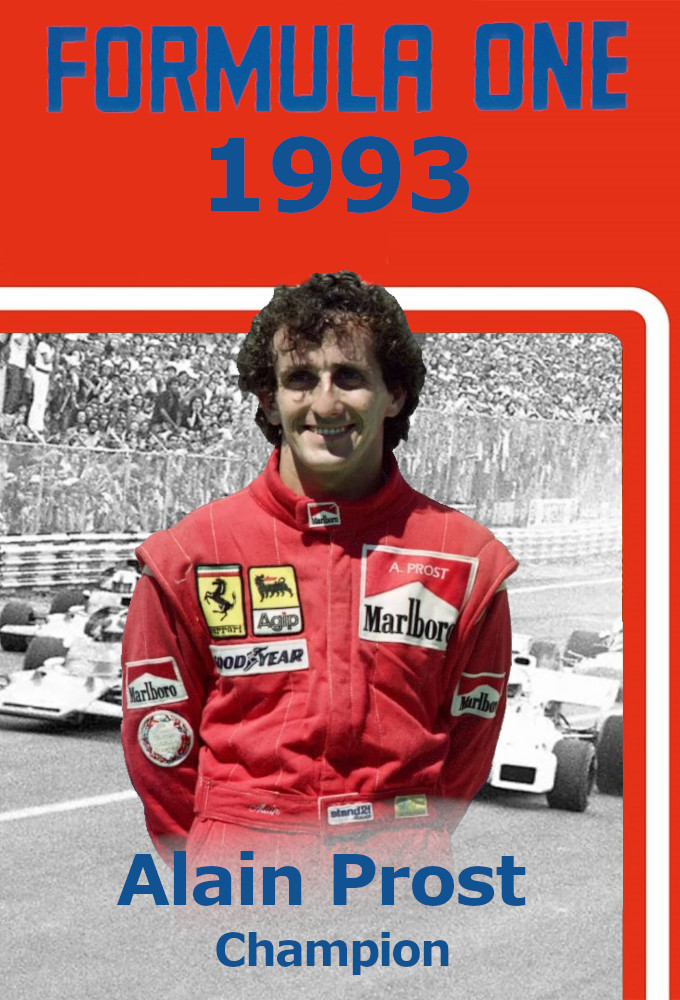
The 1993 FIA Formula One World Championship was the 47th season of FIA Formula One motor racing. It featured the 1993 Formula One World Championship for Drivers and the 1993 Formula One World Championship for Constructors, which were contested concurrently over a sixteen-race series that commenced on 14 March and ended on 7 November. Alain Prost won his fourth and final Drivers' Championship. As of 2025, this is the last championship for a French Formula One driver.
1992 Season
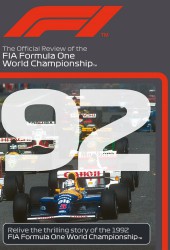
The 1992 Formula One World Championship was the 46th season of FIA Formula One motor racing. It featured the 1992 Formula One World Championship for Drivers and the 1992 Formula One World Championship for Constructors, which were contested concurrently over a sixteen-race series that commenced on 1 March and ended on 8 November. Nigel Mansell, in what would prove to be his final full season in Formula One, won the Drivers' Championship and Williams-Renault won the Constructors' Championship.
1991 Season
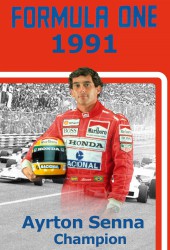
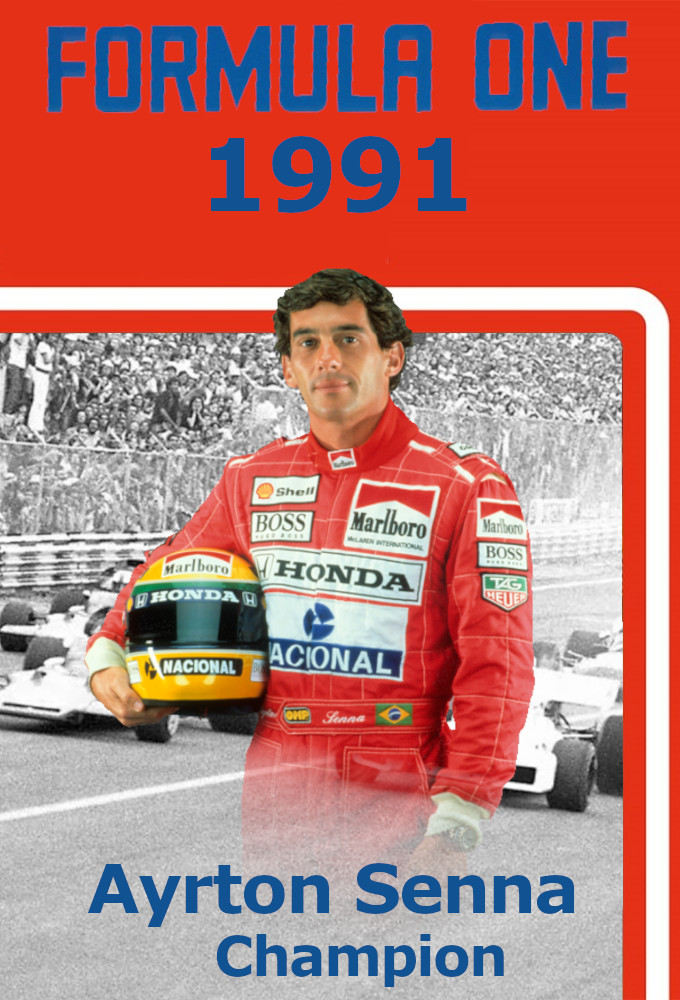
The 1991 FIA Formula One World Championship was the 45th season of FIA Formula One motor racing and the 42nd season of the Formula One World Championship. It featured the 1991 Formula One World Championship for Drivers and the 1991 Formula One World Championship for Constructors, which were contested concurrently over a sixteen-race series that commenced on 10 March and ended on 3 November.
1990 Season
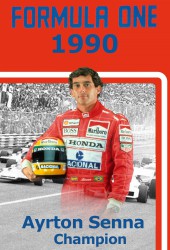
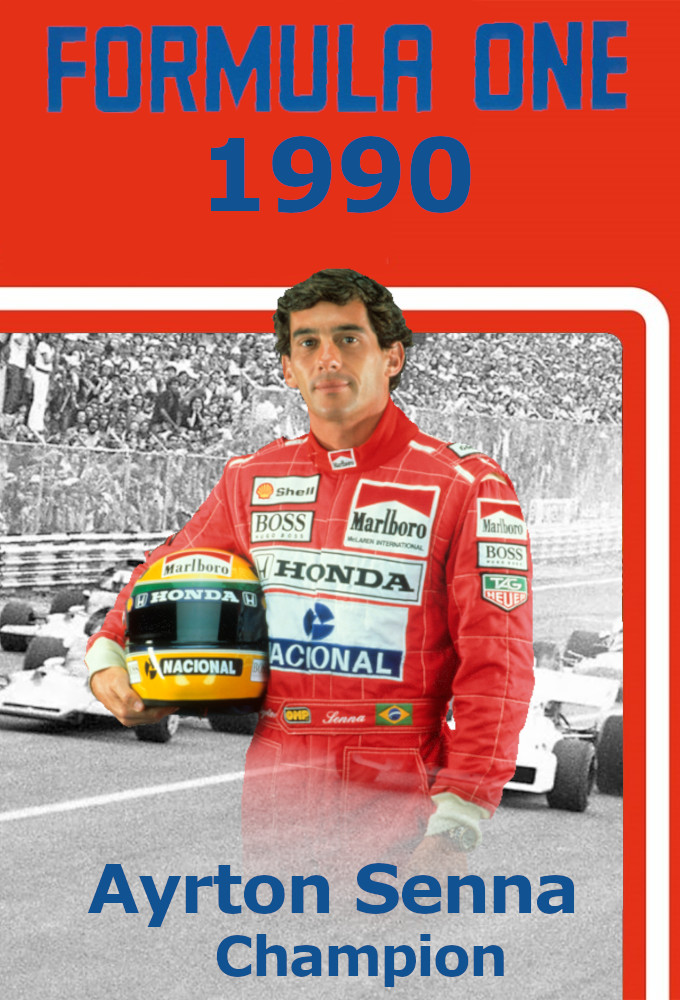
The 1990 FIA Formula One World Championship was the 44th season of FIA Formula One motor racing. It featured the 1990 Formula One World Championship for Drivers and the 1990 Formula One World Championship for Constructors, which were contested concurrently over a sixteen-race series that commenced on 11 March and ended on 4 November. Ayrton Senna won the Drivers' Championship for the second time, and McLaren-Honda won their third consecutive Constructors' Championship.
1989 Season
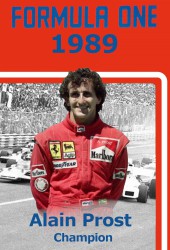
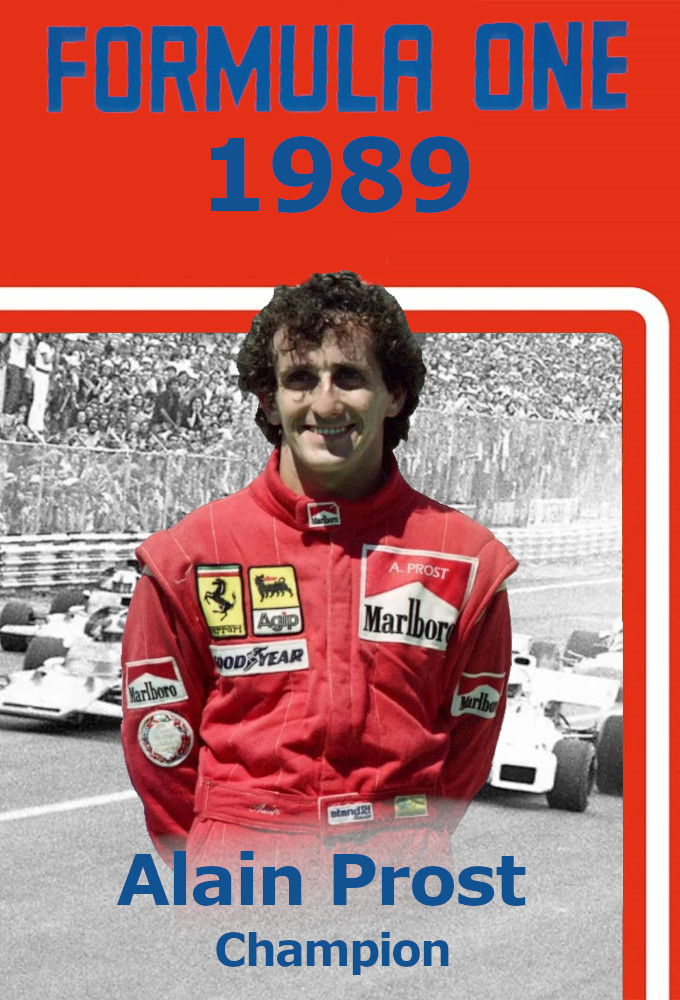
The 1989 FIA Formula One World Championship was the 43rd season of FIA Formula One motor racing. It began on 26 March and ended on 5 November. Alain Prost won his third Drivers' Championship, and McLaren won its second consecutive Constructors' Championship; its fifth overall.
1988 Season
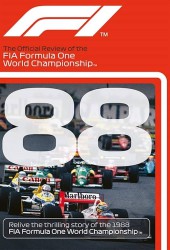
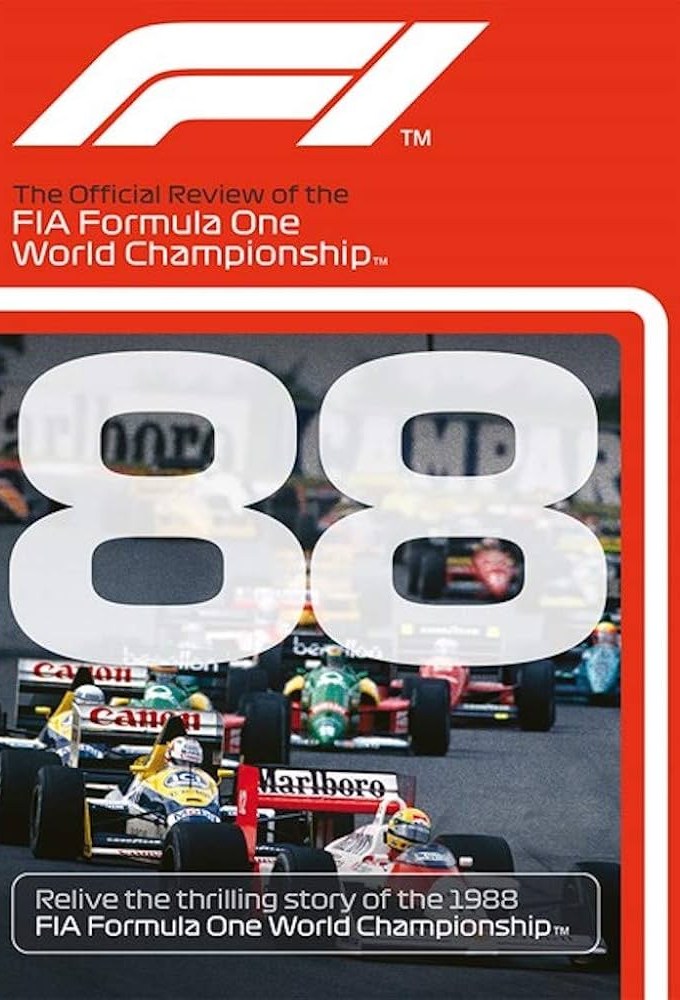
The 1988 FIA Formula One World Championship was the 42nd season of FIA Formula One motor racing. It featured the 1988 Formula One World Championship for Drivers and the 1988 Formula One World Championship for Constructors, which were contested concurrently over a sixteen-race series that commenced on 3 April and ended on 13 November. The World Championship for Drivers was won by Ayrton Senna, and the World Championship for Constructors by McLaren-Honda. Senna and McLaren teammate Alain Prost won fifteen of the sixteen races between them; the only race neither driver won was the Italian Grand Prix, where Ferrari's Gerhard Berger took an emotional victory four weeks after the death of team founder Enzo Ferrari. McLaren's win tally has only been bettered or equalled in seasons with more than sixteen races; their Constructors' Championship tally of 199 points, more than three times that of any other constructor, was also a record until 2002. Defending Constructors' Champions Williams were never in championship contention, failing to win a single race and scoring just two podiums all season, having been forced to run during this season with underpowered naturally-aspirated Judd V8 engines having lost their previous supply of turbo V6 Honda engines at the end of the previous season.
1987 Season
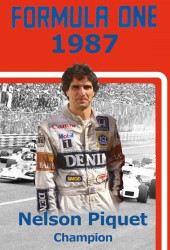
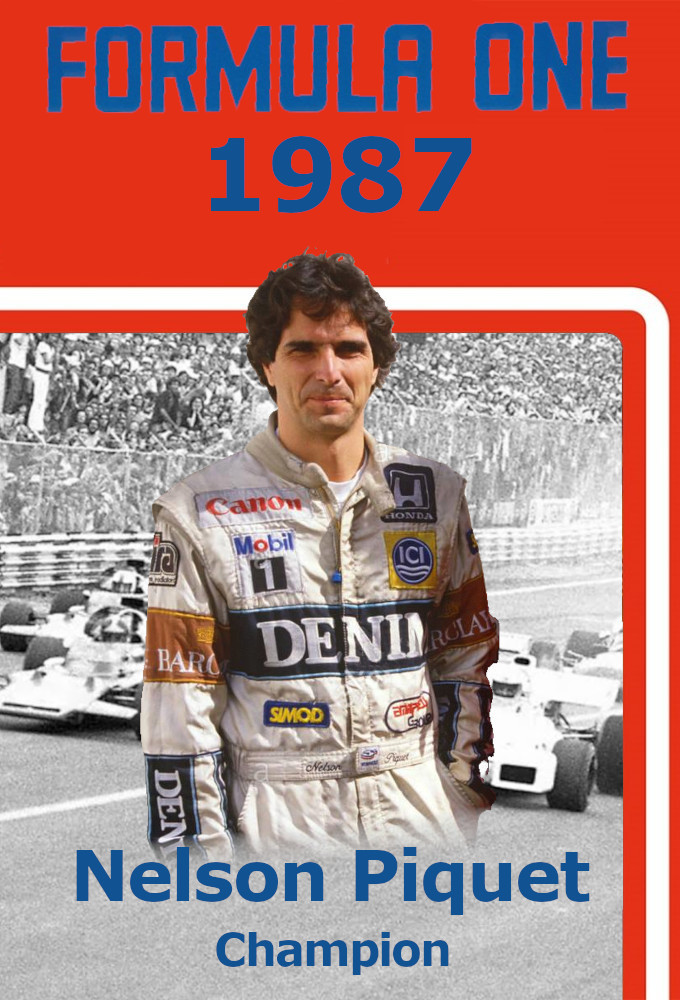
The 1987 FIA Formula One World Championship was the 41st season of FIA Formula One motor racing. It featured the 1987 Formula One World Championship for Drivers and the 1987 Formula One World Championship for Constructors, which were contested concurrently over a sixteen-race series that commenced on 12 April and ended on 15 November.
1986 Season

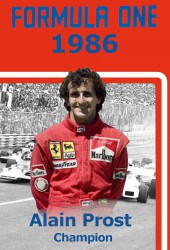
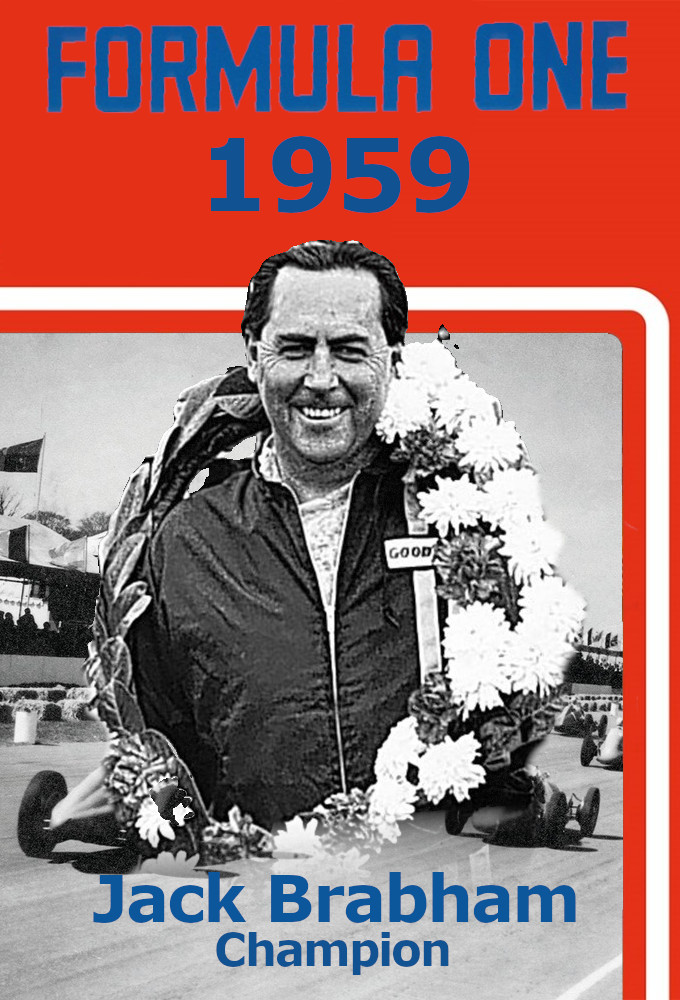
The 1986 FIA Formula One World Championship was the 40th season of FIA Formula One motor racing. It featured the 1986 Formula One World Championship for Drivers and the 1986 Formula One World Championship for Manufacturers, both of which commenced on 23 March and ended on 26 October after sixteen races. The Drivers' Championship was won by Alain Prost, Prost was the first driver to win back-to-back Drivers' Championships since Jack Brabham in 1959 and 1960. Together with Prost, Nigel Mansell, Nelson Piquet and Ayrton Senna dominated throughout the season and formed what was dubbed as the "Gang of Four". The 1986 season also marked the final Formula One season of 1982 Drivers' Champion Keke Rosberg who retired from the sport at the end of season following a difficult season with McLaren.
1985 Season

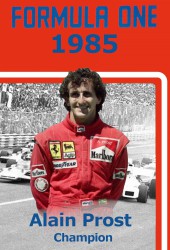
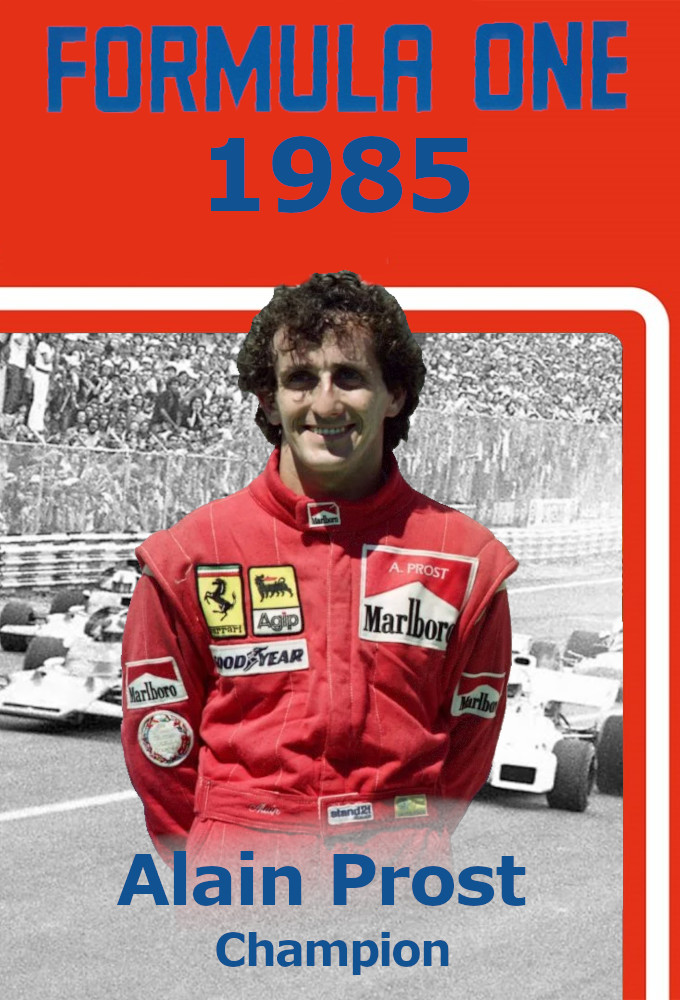
The 1985 FIA Formula One World Championship was the 39th season of FIA Formula One motor racing. It featured the 1985 Formula One World Championship for Drivers and the 1985 Formula One World Championship for Manufacturers, both of which commenced on 7 April and ended on 3 November after sixteen races.
1984 Season

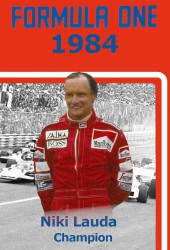
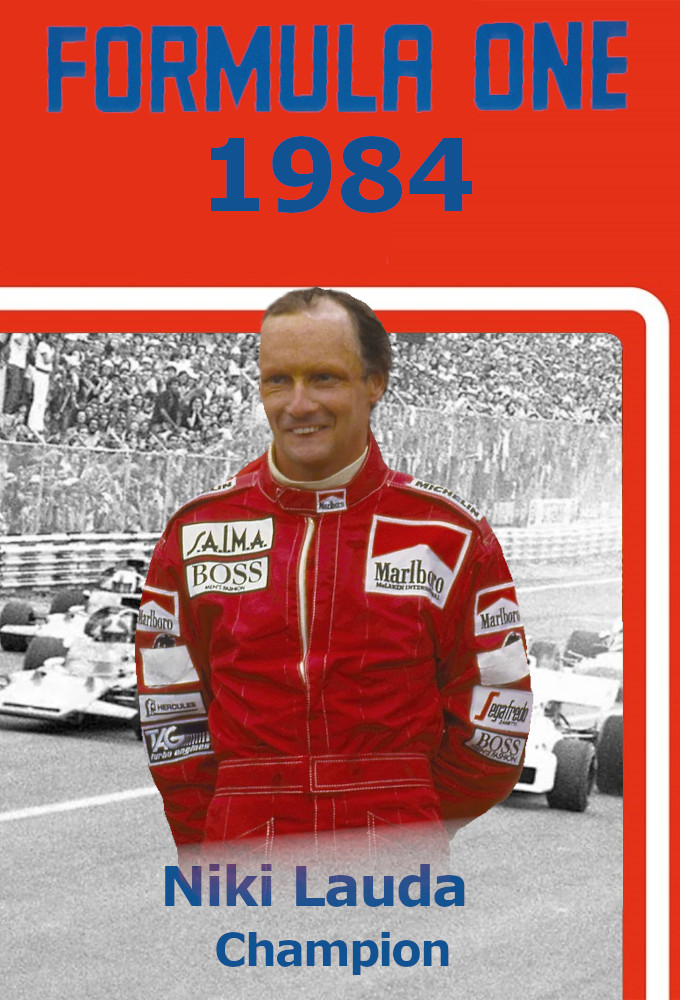
The 1984 FIA Formula One World Championship was the 38th season of Fédération Internationale de l'Automobile (FIA) Formula One motor racing. It featured the 1984 Formula One World Championship for Drivers and the 1984 Formula One World Championship for Manufacturers, both of which commenced on 25 March and ended on 21 October after sixteen races.
1983 Season

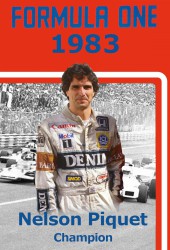
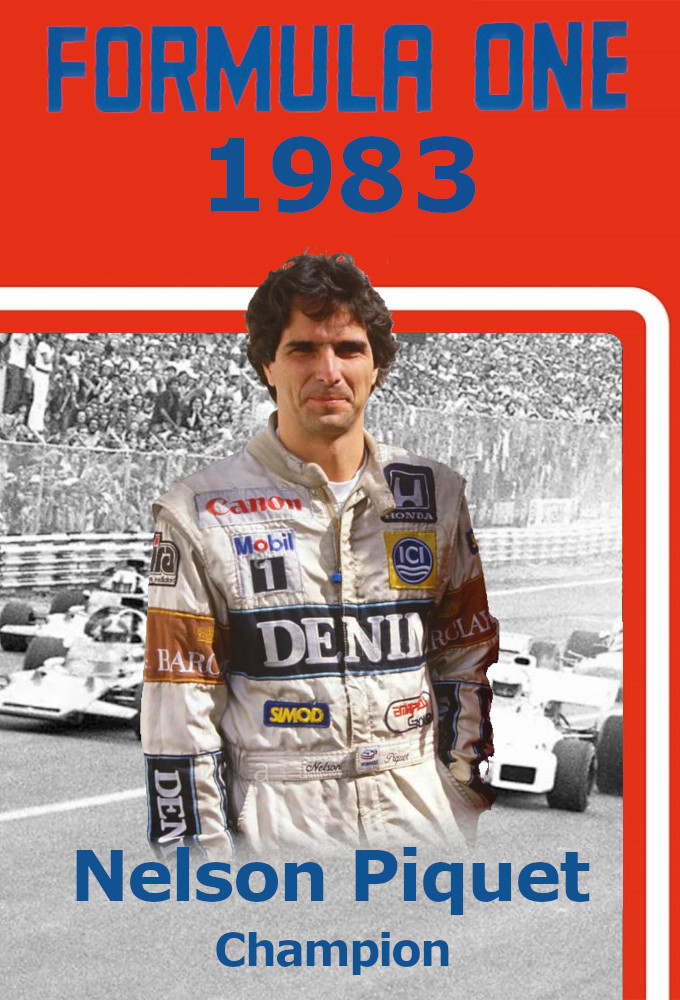
The 1983 FIA Formula One World Championship was the 37th season of FIA Formula One motor racing. It featured the 1983 Formula One World Championship for Drivers and the 1983 Formula One World Championship for Manufacturers, which were contested concurrently over a fifteen-race series that commenced on 13 March and ended on 15 October.
1982 Season

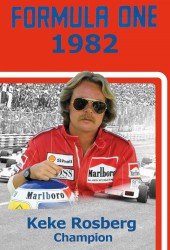
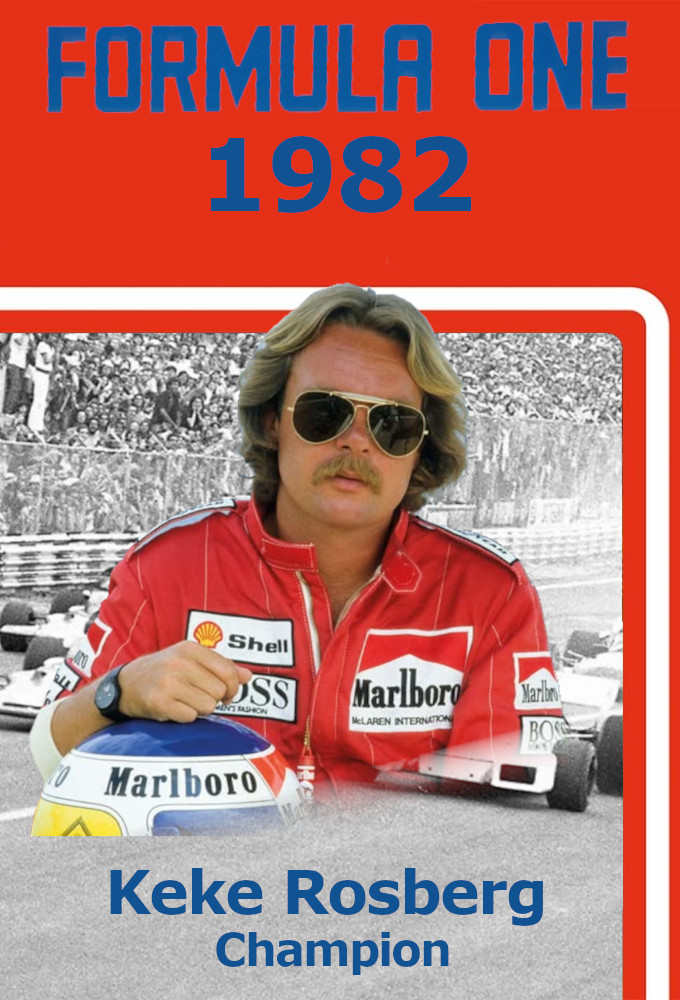
The 1982 FIA Formula One World Championship was the 36th season of FIA Formula One motor racing. It included two competitions run over the course of the year, the 33rd Formula One World Championship for Drivers and the 25th Formula One World Championship for Constructors. The season featured sixteen rounds between 23 January and 25 September. The Drivers' Championship was won by Keke Rosberg and the Constructors' Championship by Scuderia Ferrari.
1981 Season

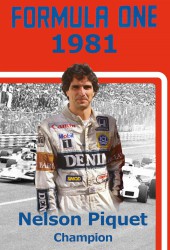
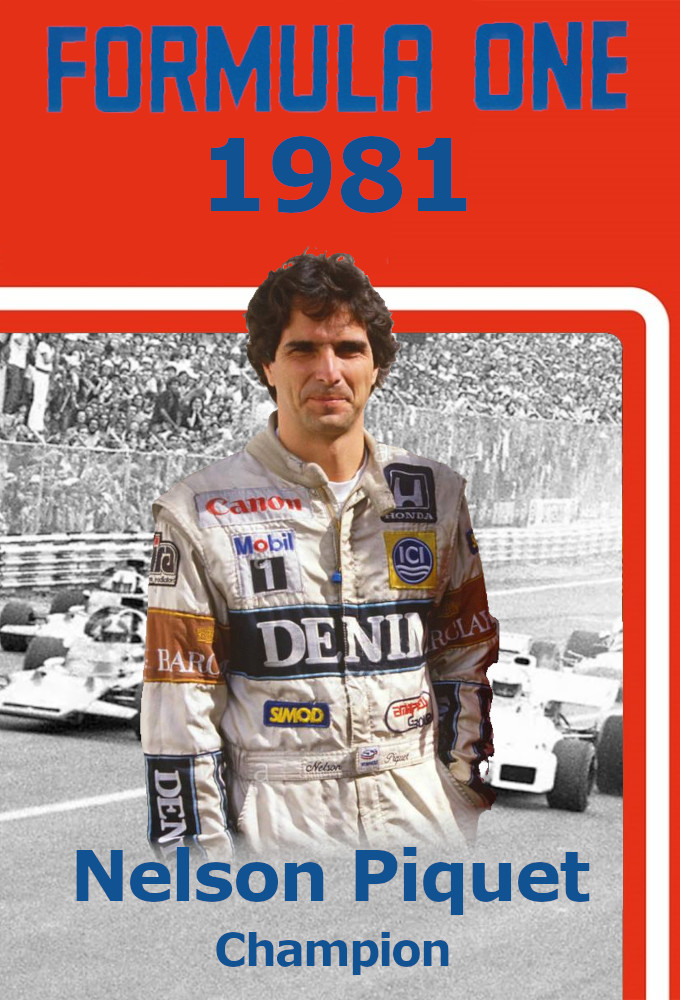
The 1981 FIA Formula One World Championship was the 35th season of FIA Formula One motor racing. It featured the 1981 Formula One World Championship for Drivers and the 1981 Formula One World Championship for Manufacturers, which were contested over a fifteen-race series that commenced on 15 March and ended on 17 October. The 1981 South African Grand Prix, as a non-championship race due to difficulties from the ongoing FISA–FOCA war, was open to Formula One entrants but was not part of the World Championship.
1980 Season

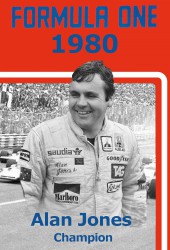
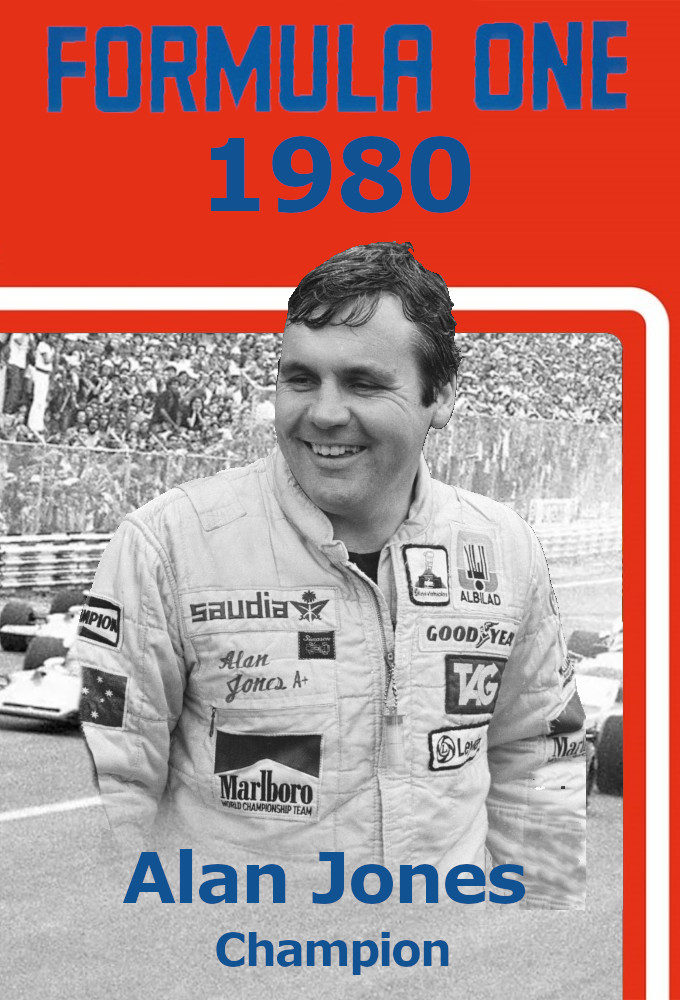
The 1980 Formula One season was the 34th season of FIA Formula One motor racing. It featured the 1980 World Championship of Drivers and the 1980 International Cup for F1 Constructors, which were contested concurrently from 13 January to 5 October over a fourteen-race series. The season also included one non-championship race, the Spanish Grand Prix.
1979 Season

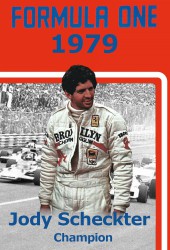
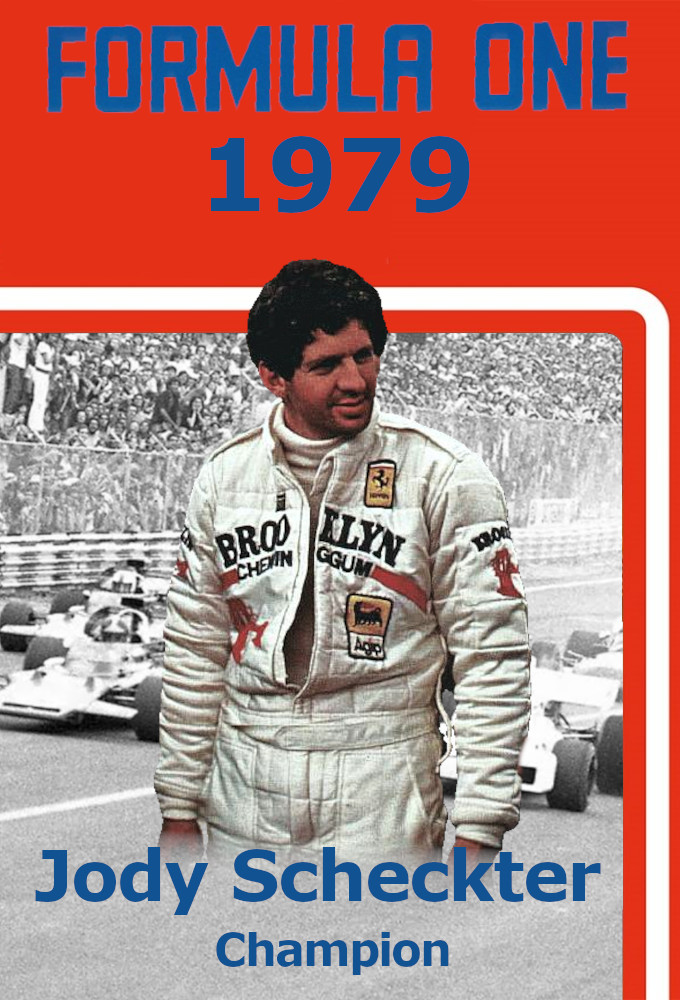
The 1979 Formula One season was the 33rd season of FIA Formula One motor racing. It featured the 1979 World Championship of F1 Drivers and the 1979 International Cup for F1 Constructors which were contested concurrently over a fifteen-round series which commenced on 21 January 1979, and ended on 7 October 1979. The season also included three non-championship Formula One races.
1978 Season

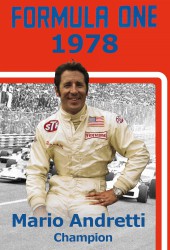
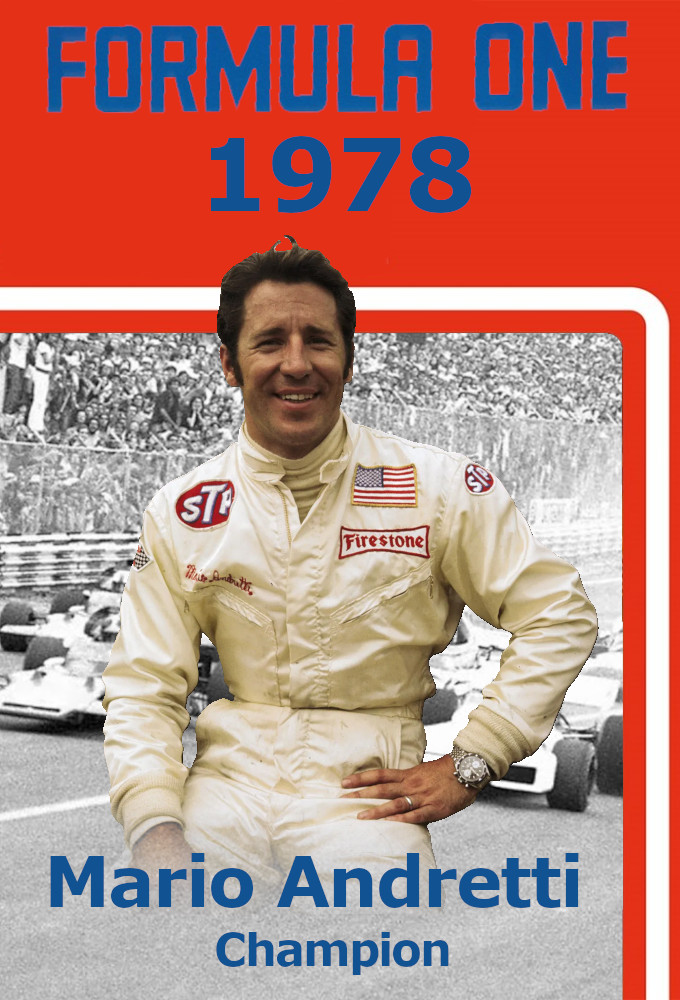
Missing season text
1977 Season

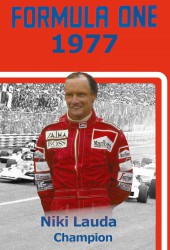
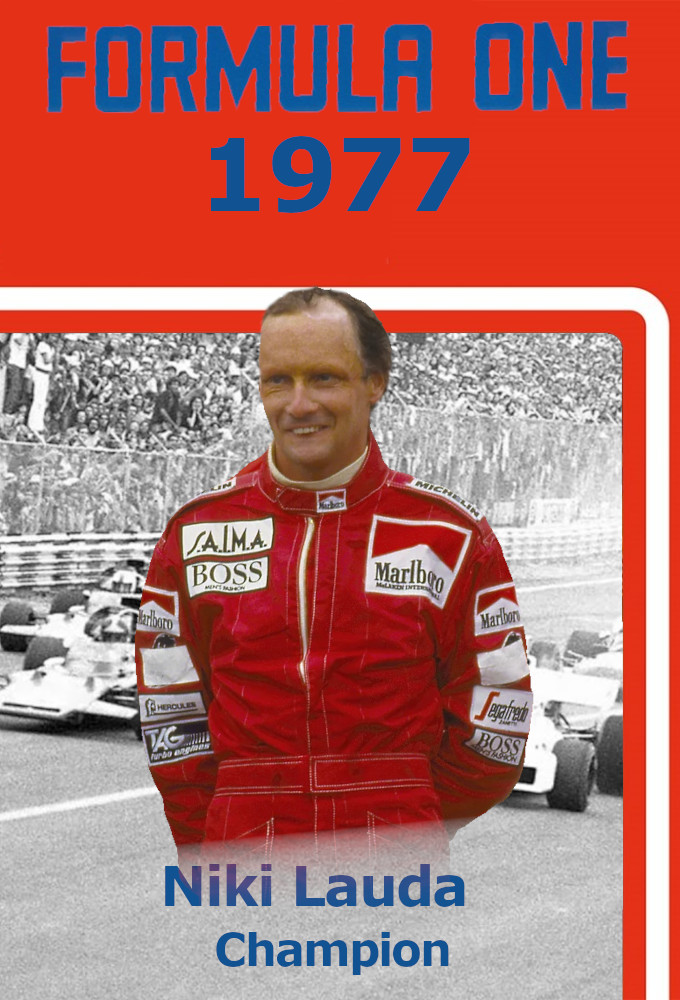
Missing season text
1976 Season

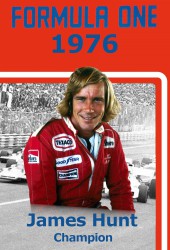
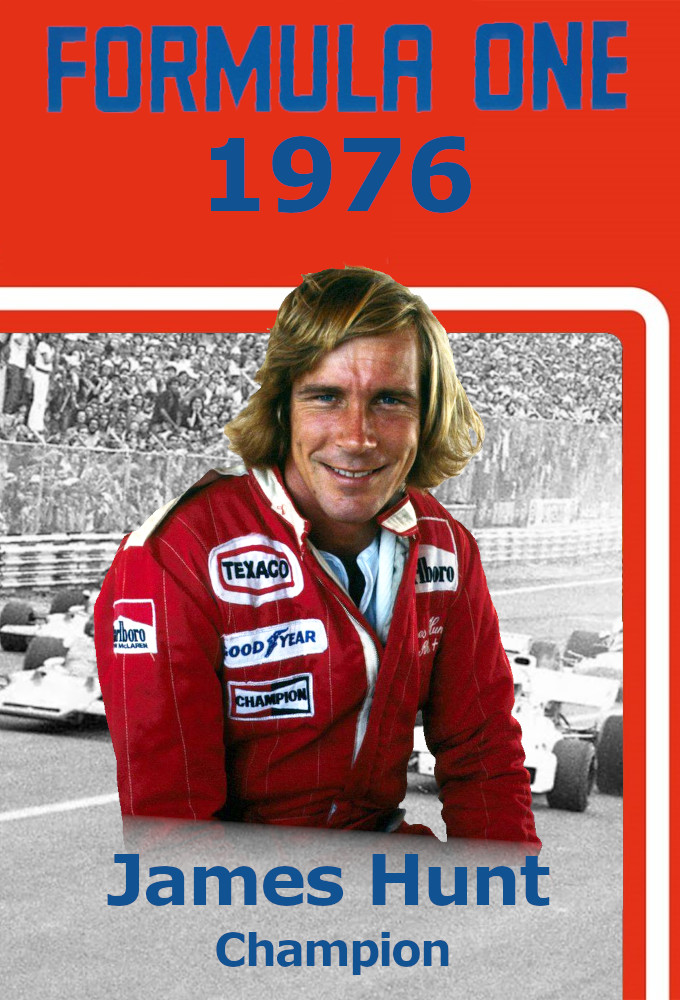
Missing season text
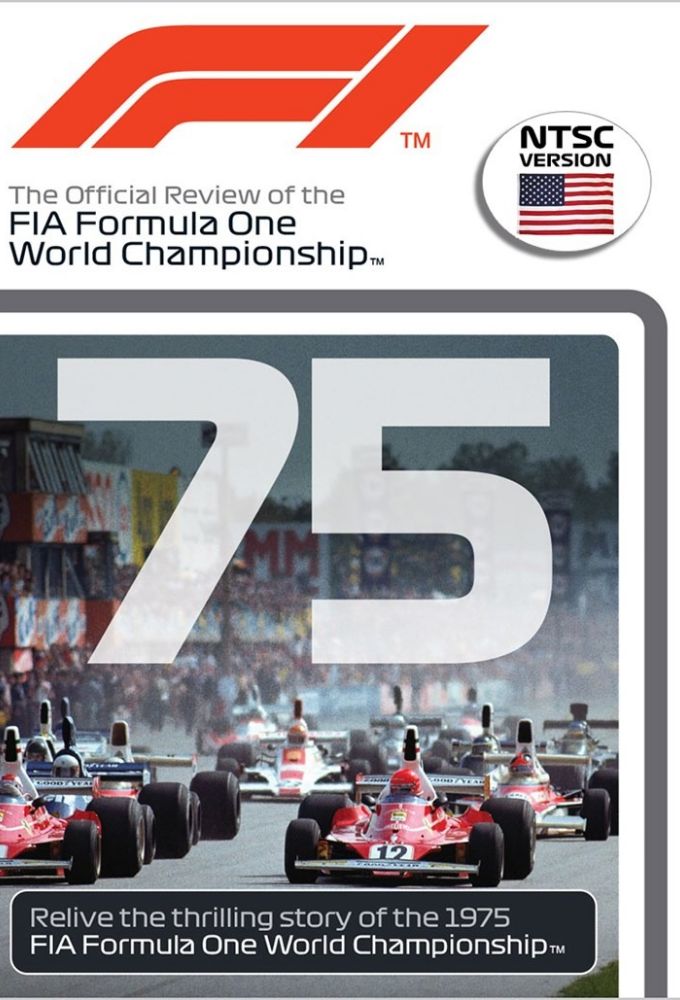
1975 Season

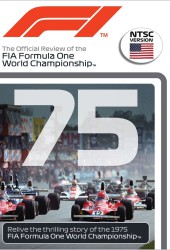
Missing season text
1974 Season

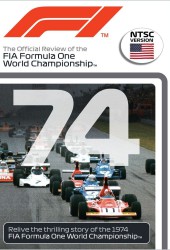
Missing season text
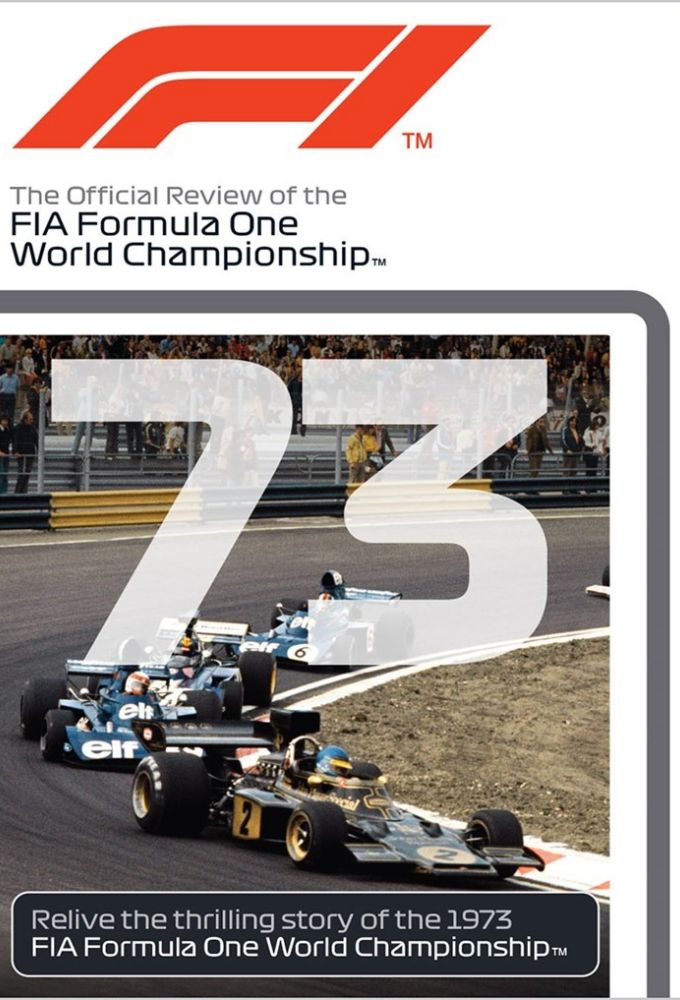
1973 Season

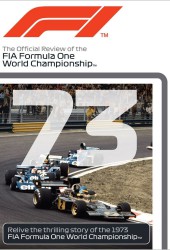
Missing season text
1972 Season

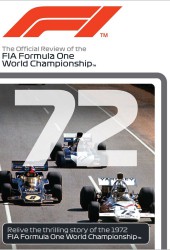
Missing season text
1971 Season

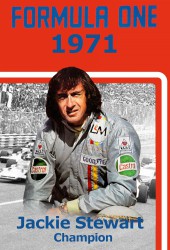
Missing season text
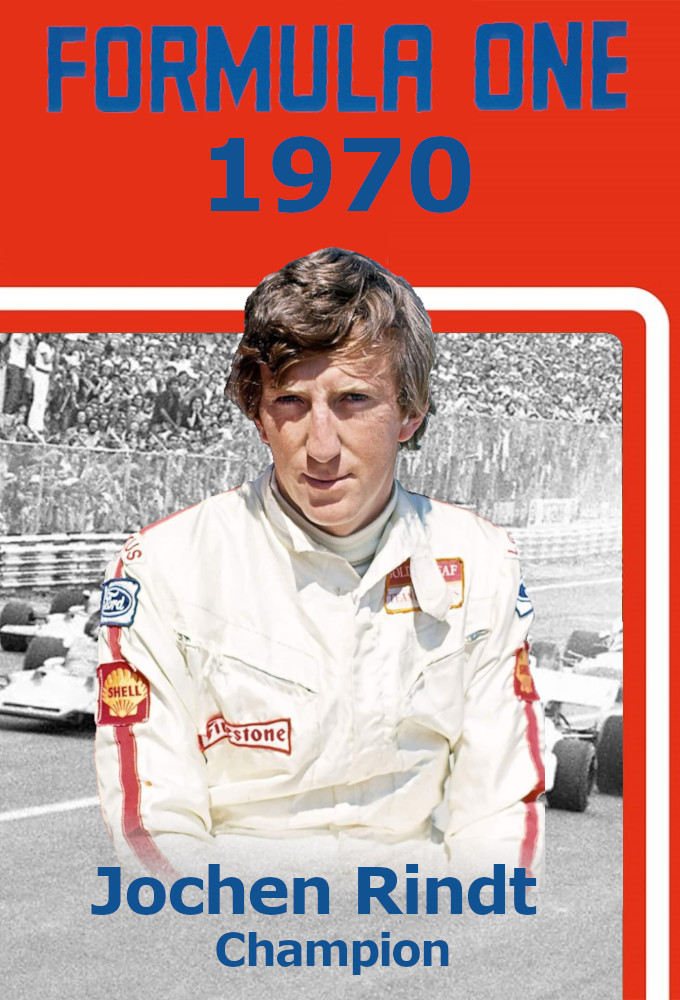
1970 Season

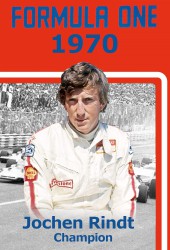
Missing season text
1969 Season

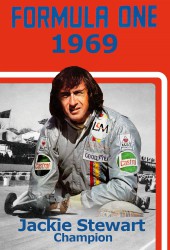
Missing season text
1968 Season

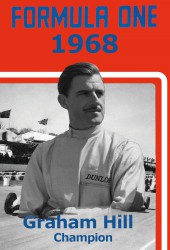
Missing season text
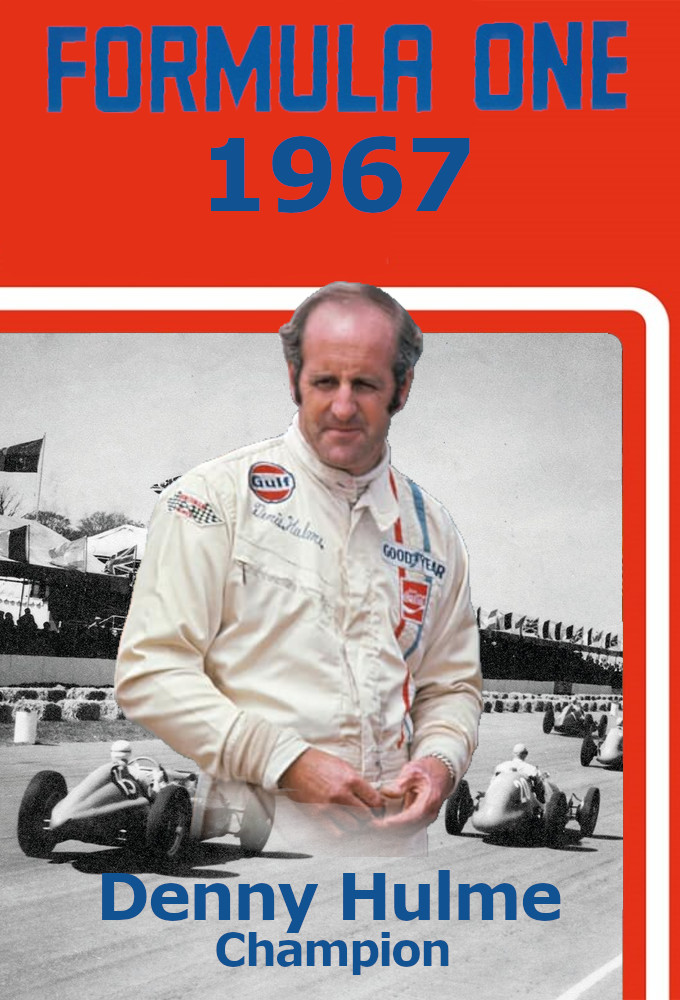
1967 Season

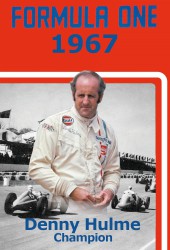
Missing season text
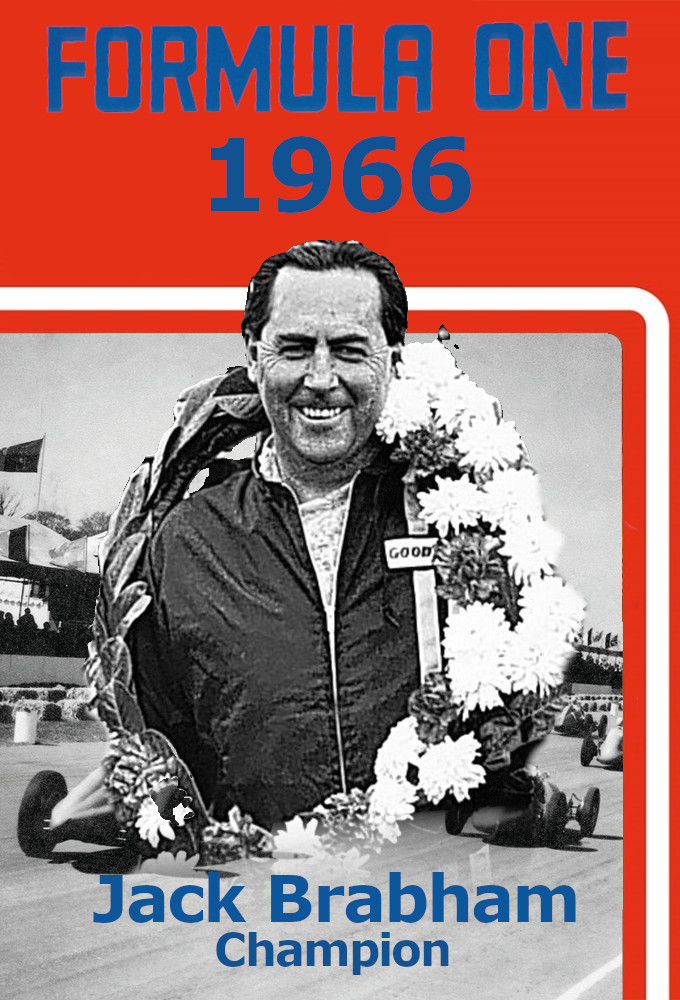
1966 Season

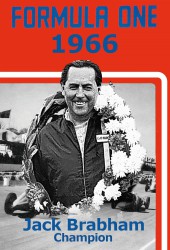
Missing season text
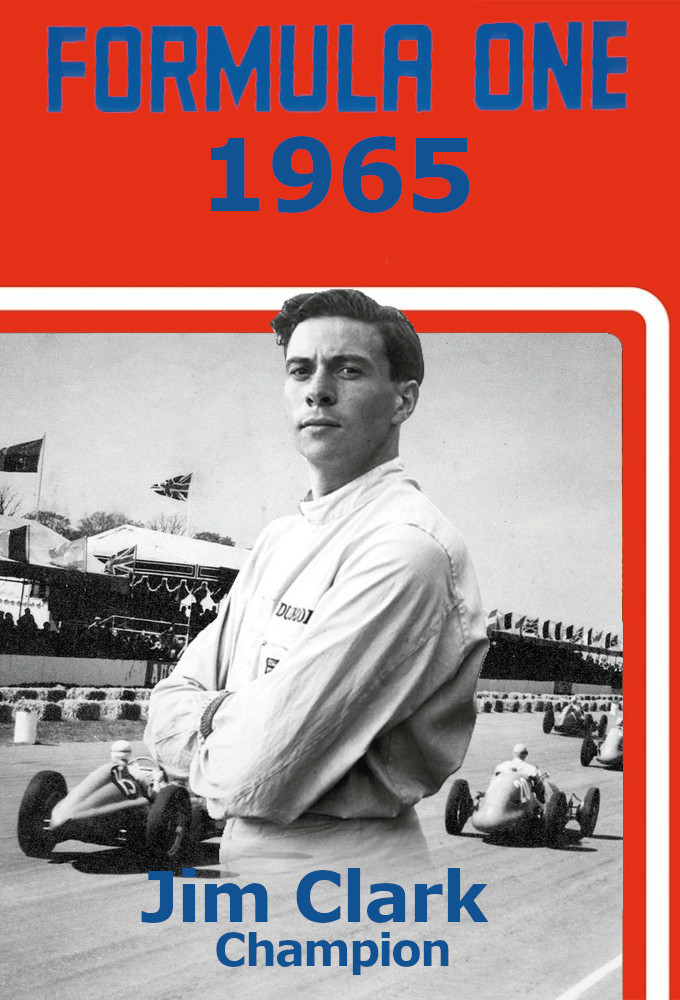
1965 Season

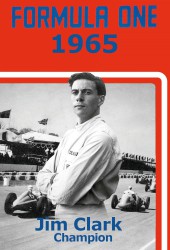
Missing season text
1964 Season

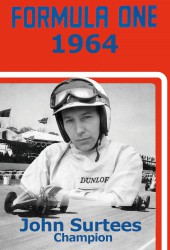
Missing season text
1963 Season

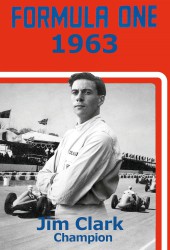
Missing season text
1962 Season

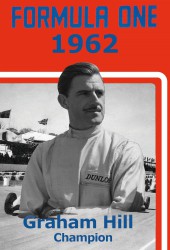
Missing season text
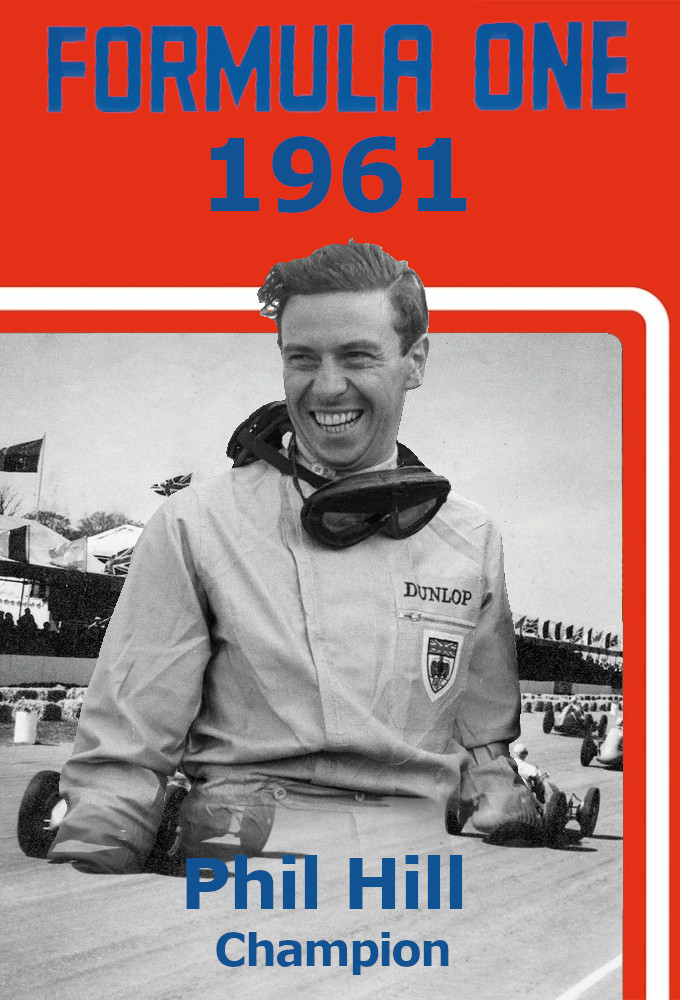
1961 Season

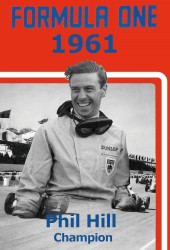
Missing season text
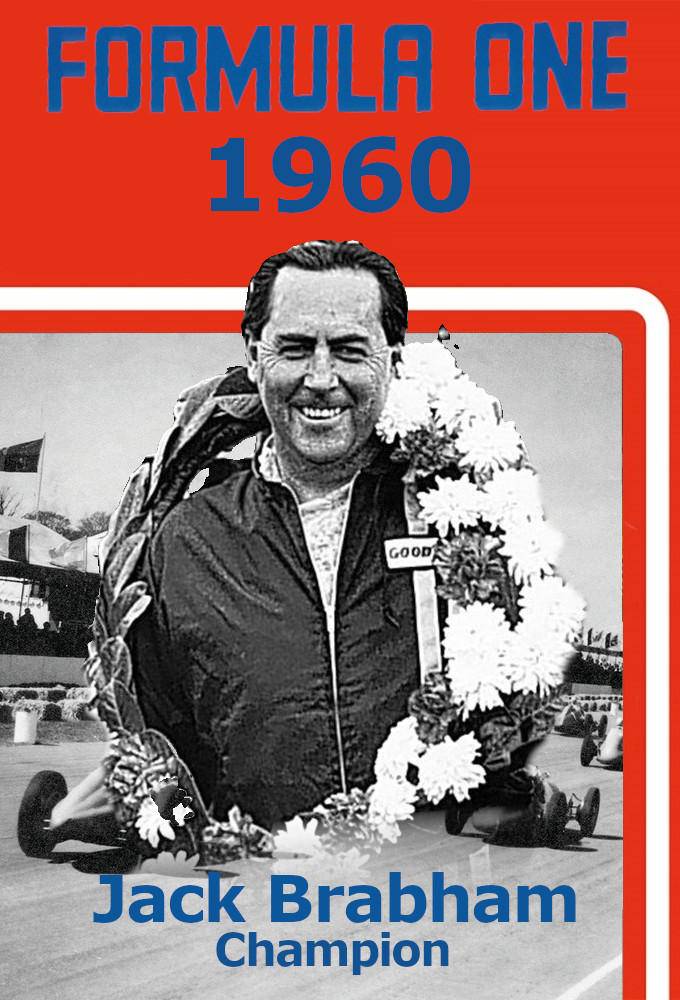
1960 Season

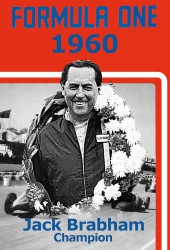
Missing season text
1959 Season

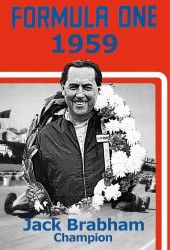
Missing season text
1958 Season

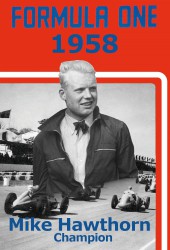
Missing season text
1957 Season

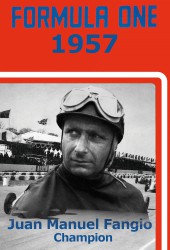
Missing season text
1956 Season

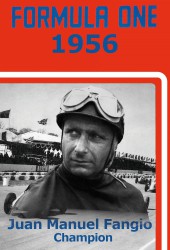
Missing season text
1955 Season

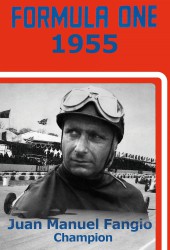
Missing season text
1954 Season

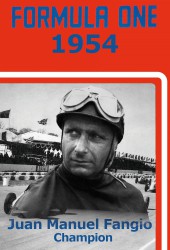
Missing season text
1953 Season

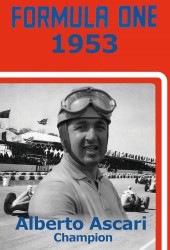
Missing season text
1952 Season

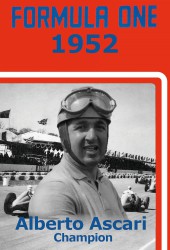
Missing season text
1951 Season

Missing season text
1950 Season

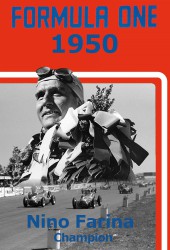
Missing season text


 Formula 1
 Formula E
 IndyCar Series
 MotoGP
 NASCAR Cup Series
 V8 Supercars