League
Season Badge
Team
Sweden
Team Badge
Season Poster
Team 1990 Schedules
 Algeria
 Argentina
 Australia
 Austria
 Belgium
 Bosnia-Herzegovina
 Brazil
 Canada
 Cape Verde
 Colombia
 Croatia
 Curaçao
 Czech Republic
 DR Congo
 Ecuador
 Egypt
Egypt
 England
 France
 Germany
 Ghana
Ghana
 Haiti
Haiti
 Iran
Iran
 Iraq
Iraq
 Ivory Coast
 Japan
Japan
 Jordan
 Mexico
 Morocco
 Netherlands
 New Zealand
 Panama
 Paraguay
 Portugal
 Qatar
Qatar
 Saudi Arabia
 Scotland
 Senegal
 South Africa
 South Korea
 Spain
Spain
 Sweden
 Switzerland
 Tunisia
 Turkey
 Uruguay
 USA
USA
 Uzbekistan
Sport
Soccer
League
FIFA World Cup
Season
1990
 League Table
FIFA World Cup
Season Badge
Team
Sweden
Team Badge
Season Poster
Team 1990 Schedules
Algeria Argentina Australia Austria Belgium Bosnia-Herzegovina Brazil Canada Cape Verde Colombia Croatia Curaçao Czech Republic DR Congo Ecuador Egypt England France Germany Ghana Haiti Iran Iraq Ivory Coast Japan Jordan Mexico Morocco Netherlands New Zealand Panama Paraguay Portugal Qatar Saudi Arabia Scotland Senegal South Africa South Korea Spain Sweden Switzerland Tunisia Turkey Uruguay USA UzbekistanSport
Soccer
League
FIFA World Cup
Season
1990
League TableSeason Description
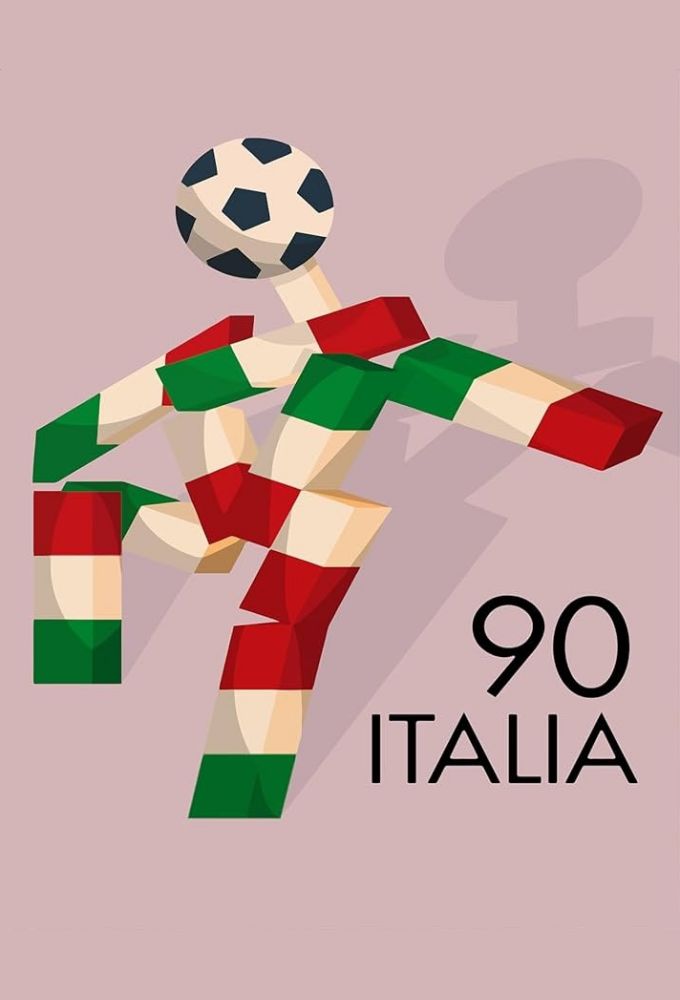
The 1990 FIFA World Cup was the 14th FIFA World Cup, a quadrennial football tournament for men's senior national teams. It was held from 8 June to 8 July 1990 in Italy, the second country to host the event for a second time (the first being Mexico in 1986). Teams representing 116 national football associations entered and qualification began in April 1988. 22 teams qualified from this process, along with the host nation Italy and defending champions Argentina.
The tournament was won by West Germany, for the third time. They beat defending champions Argentina 1–0 at the Stadio Olimpico in Rome, a rematch of the previous final four years earlier. Italy finished third and England fourth, after both lost their semi-finals in penalty shootouts. This was the last tournament to feature a team from West Germany, with the country being reunified with East Germany a few months later in October, as well as teams from the Eastern Bloc before the end of the Cold War in 1991, as the Soviet Union, Yugoslavia, and Czechoslovakia teams all made their final appearances. Costa Rica, Ireland and the United Arab Emirates made their first appearances in the finals. As of 2026, this was the only time the United Arab Emirates qualified for a FIFA World Cup finals. Cameroon went on an unexpectedly strong run in the tournament, becoming the first African team to reach the quarter-finals of the World Cup. The official match ball was the Adidas Etrusco Unico.
The 1990 World Cup is widely regarded as one of the poorest World Cups in terms of the games. It generated an average 2.21 goals per game – a record low that still stands – and a then-record 16 red cards, including the first dismissal in a final. However, the tournament had a significant lasting influence on the game as a whole. In England, the team's success in this tournament led to the resurgence of the domestic top-flight, which had suffered from violence on the pitch and hooliganism by spectators throughout the 1980s. It saw the introduction of the pre-match Fair Play Flag (then inscribed with "Fair Play Please") to encourage fair play. Overly defensive tactics of many teams led to the introduction of the back-pass rule in 1992 and three points for a win instead of two, both of which have encouraged attacking play, increasing spectator interest in the sport. The tournament also produced some of the World Cup's best remembered moments and stories, including the emergence of African nations, and Luciano Pavarotti's performance of "Nessun dorma" during the first ever joint concert of The Three Tenors on July 7, shortly before the match for third place which featured the host team.
The 1990 FIFA World Cup was the 14th FIFA World Cup, a quadrennial football tournament for men's senior national teams. It was held from 8 June to 8 July 1990 in Italy, the second country to host the event for a second time (the first being Mexico in 1986). Teams representing 116 national football associations entered and qualification began in April 1988. 22 teams qualified from this process, along with the host nation Italy and defending champions Argentina.
The tournament was won by West Germany, for the third time. They beat defending champions Argentina 1–0 at the Stadio Olimpico in Rome, a rematch of the previous final four years earlier. Italy finished third and England fourth, after both lost their semi-finals in penalty shootouts. This was the last tournament to feature a team from West Germany, with the country being reunified with East Germany a few months later in October, as well as teams from the Eastern Bloc before the end of the Cold War in 1991, as the Soviet Union, Yugoslavia, and Czechoslovakia teams all made their final appearances. Costa Rica, Ireland and the United Arab Emirates made their first appearances in the finals. As of 2026, this was the only time the United Arab Emirates qualified for a FIFA World Cup finals. Cameroon went on an unexpectedly strong run in the tournament, becoming the first African team to reach the quarter-finals of the World Cup. The official match ball was the Adidas Etrusco Unico.
The 1990 World Cup is widely regarded as one of the poorest World Cups in terms of the games. It generated an average 2.21 goals per game – a record low that still stands – and a then-record 16 red cards, including the first dismissal in a final. However, the tournament had a significant lasting influence on the game as a whole. In England, the team's success in this tournament led to the resurgence of the domestic top-flight, which had suffered from violence on the pitch and hooliganism by spectators throughout the 1980s. It saw the introduction of the pre-match Fair Play Flag (then inscribed with "Fair Play Please") to encourage fair play. Overly defensive tactics of many teams led to the introduction of the back-pass rule in 1992 and three points for a win instead of two, both of which have encouraged attacking play, increasing spectator interest in the sport. The tournament also produced some of the World Cup's best remembered moments and stories, including the emergence of African nations, and Luciano Pavarotti's performance of "Nessun dorma" during the first ever joint concert of The Three Tenors on July 7, shortly before the match for third place which featured the host team.
Event List
 List
List
 Poster
 Download as CSV
 = TV Listing
 = Event Thumb
 = Banner Image
 = Fanart Image
 = Timeline Details